The Goal of the Healthy Heart Service
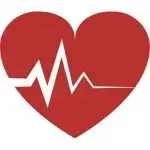
The goal of the Healthy Heart Service is to help reduce modifiable cardiovascular risk factors through individualized nutrition, lifestyle, exercise, stress-management, and wellness strategies.
Your naturopathic doctor will review your health history and work alongside your existing healthcare team when you have diagnosed cardiovascular disease, high blood pressure, diabetes, or other medical conditions.
The service may focus on:
-
Improving diet quality
-
Supporting healthy blood pressure
-
Improving cholesterol and triglyceride levels
-
Supporting blood sugar regulation
-
Increasing physical activity
-
Improving sleep
-
Reducing tobacco exposure
-
Limiting excessive alcohol intake
-
Managing stress
-
Supporting healthy weight management
-
Improving long-term cardiovascular habits
Who Should Consider the Healthy Heart Service?
The Healthy Heart Service may be appropriate if you have:
People with diagnosed heart disease should continue regular care with their physician or cardiologist.
Naturopathic care should support, rather than replace, prescribed cardiovascular treatment.
Understanding the Cardiovascular System
The cardiovascular system includes three main components:
-
The heart
-
Blood vessels
-
Blood
The heart pumps blood through arteries, veins, and smaller blood vessels.
Blood carries oxygen and nutrients throughout the body and helps transport waste products away from tissues.
Healthy circulation supports the function of the brain, kidneys, muscles, digestive system, and every other organ.
Why Cardiovascular Health Matters
Cardiovascular disease includes several conditions affecting the heart and blood vessels.
Examples include:
Many cardiovascular risk factors develop gradually over time.
This makes prevention and early risk-factor management especially important.
Major Risk Factors for Cardiovascular Disease
Some cardiovascular risk factors are outside your control.
These include:
Other risk factors are more modifiable.
These include:
-
Smoking
-
Poor diet
-
Physical inactivity
-
High blood pressure
-
High LDL cholesterol
-
High triglycerides
-
Diabetes
-
Insulin resistance
-
Excess body weight
-
Poor sleep
-
Excessive alcohol intake
-
Chronic stress
The Healthy Heart Service focuses on the areas where practical changes support long-term health.
High Blood Pressure and Heart Health
High blood pressure places additional strain on arteries and the heart.
Over time, uncontrolled hypertension increases the risk of:
-
Heart disease
-
Stroke
-
Kidney disease
-
Heart failure
-
Blood vessel damage
High blood pressure often produces no obvious symptoms.
Regular monitoring matters, especially if you have a family history of hypertension or cardiovascular disease.
Your naturopathic doctor may review:
Never reduce or stop blood pressure medication without guidance from the prescribing healthcare professional.
Cholesterol and Cardiovascular Risk
Cholesterol is necessary for normal body function, but certain cholesterol patterns are associated with increased cardiovascular risk.
Your healthcare provider may review:
Nutrition, physical activity, weight management, blood sugar regulation, smoking cessation, and medication all play roles in cholesterol management.
Blood Sugar and Heart Health
Diabetes and insulin resistance increase cardiovascular risk.
Persistently elevated blood sugar affects blood vessels and contributes to several cardiovascular complications.
Your Healthy Heart plan may include strategies aimed at improving:
-
Meal quality
-
Carbohydrate intake
-
Fibre intake
-
Protein intake
-
Physical activity
-
Sleep
-
Weight management
-
Blood sugar monitoring
People with diabetes should continue regular medical follow-up and medication management.
Nutrition for Heart Health
A heart-focused nutrition plan should emphasize whole, minimally processed foods.
Your naturopathic doctor may recommend increasing:
-
Vegetables
-
Fruits
-
Whole grains
-
Legumes
-
Nuts
-
Seeds
-
Fish
-
Lean protein
-
Fibre-rich foods
-
Unsaturated fats
The plan may also involve reducing excessive intake of:
The exact recommendations depend on your health history, medications, preferences, and cardiovascular risk profile.
Heart-Healthy Fats
Different types of dietary fat affect cardiovascular health differently.
Unsaturated fats are commonly found in:
-
Olive oil
-
Avocados
-
Nuts
-
Seeds
-
Fatty fish
Foods high in saturated fat should usually form a smaller part of the diet when cholesterol reduction is a goal.
Your naturopathic doctor will help you build a balanced plan rather than focus on removing all dietary fat.
Fibre and Cardiovascular Health
Dietary fibre supports digestive health and also plays an important role in cardiovascular nutrition.
Soluble fibre is found in foods such as:
-
Oats
-
Barley
-
Beans
-
Lentils
-
Apples
-
Ground flax
-
Certain vegetables
A higher-fibre eating pattern often supports cholesterol management, blood sugar regulation, and weight management.
Sodium and Blood Pressure
High sodium intake contributes to elevated blood pressure in many people.
Common sources include:
-
Processed meats
-
Packaged foods
-
Fast food
-
Restaurant meals
-
Salty snacks
-
Sauces
-
Canned foods
Your plan may include strategies for reducing sodium while keeping meals satisfying and practical.
Potassium-Rich Foods
Potassium plays an important role in blood pressure regulation.
Food sources include:
-
Vegetables
-
Fruits
-
Beans
-
Lentils
-
Potatoes
-
Yogurt
-
Certain fish
People with kidney disease or those taking certain medications should speak with their healthcare provider before intentionally increasing potassium intake.
Physical Activity and Heart Health
Regular physical activity supports:
-
Blood pressure control
-
Cholesterol management
-
Blood sugar regulation
-
Cardiovascular fitness
-
Healthy weight
-
Sleep
-
Stress management
-
Muscle strength
Your activity plan should reflect your current fitness level and medical history.
Options may include:
-
Walking
-
Cycling
-
Swimming
-
Strength training
-
Low-impact exercise
-
Mobility work
-
Recreational sports
People with heart disease, significant symptoms, or major cardiovascular risk factors should discuss exercise intensity with their healthcare provider.
Strength Training and Cardiovascular Health
Strength training supports muscle mass, mobility, blood sugar regulation, and general physical function.
A balanced exercise program often includes both aerobic activity and resistance training.
Beginners should start gradually and focus on safe progression.
Smoking and Cardiovascular Disease
Smoking significantly increases cardiovascular risk.
Tobacco smoke damages blood vessels, increases clotting risk, and places additional strain on the heart.
Reducing and stopping tobacco use represents one of the most important cardiovascular health changes a smoker makes.
Your healthcare team may discuss evidence-based smoking cessation support when needed.
Alcohol and Heart Health
Alcohol is not required for heart health.
Higher alcohol intake increases risks related to:
-
High blood pressure
-
Irregular heart rhythms
-
Liver disease
-
Certain cancers
-
Weight gain
Your Healthy Heart plan may include reducing or eliminating alcohol depending on your current intake and health history.
Stress and the Cardiovascular System
Stress affects heart rate, blood pressure, sleep, eating habits, and physical activity.
Long periods of unmanaged stress also make healthy routines harder to maintain.
Your naturopathic doctor may discuss strategies such as:
-
Regular physical activity
-
Breathing exercises
-
Consistent sleep
-
Relaxation practices
-
Time outdoors
-
Structured breaks
-
Counselling or psychotherapy
-
Improving work-life routines
Stress management should form part of a broader cardiovascular plan rather than serve as a substitute for medical treatment.
Sleep and Heart Health
Sleep affects blood pressure, metabolism, appetite, blood sugar regulation, and overall cardiovascular function.
Poor sleep may contribute to increased cardiovascular risk over time.
Your naturopathic doctor may review:
-
Sleep duration
-
Sleep schedule
-
Caffeine intake
-
Screen use
-
Snoring
-
Nighttime waking
-
Daytime fatigue
Persistent snoring or pauses in breathing during sleep may require assessment for sleep apnea.
Sleep Apnea and Cardiovascular Risk
Untreated sleep apnea is associated with several cardiovascular concerns, including hypertension and heart rhythm problems.
Possible signs include:
-
Loud snoring
-
Gasping during sleep
-
Pauses in breathing
-
Morning headaches
-
Daytime sleepiness
-
Poor concentration
If these symptoms apply to you, your healthcare provider may recommend further assessment.
Healthy Weight and Heart Health
Excess body weight often occurs alongside other cardiovascular risk factors such as:
-
High blood pressure
-
Insulin resistance
-
Diabetes
-
High triglycerides
-
Sleep apnea
Weight management should focus on improving health rather than pursuing extreme weight loss.
Even modest improvements in nutrition, activity, sleep, and body composition often support cardiovascular health.
Mental and Emotional Health
Mental health and cardiovascular health are closely connected through stress, sleep, medication use, activity, eating patterns, and other behaviours.
Anxiety, depression, and chronic stress sometimes make heart-healthy routines harder to maintain.
Your care plan may include support from other healthcare professionals when emotional health affects your overall wellness.
Laboratory Testing and Cardiovascular Risk Assessment
Depending on your health history, relevant testing may include:
Your physician may also recommend additional cardiovascular testing when clinically appropriate.
Blood Pressure Monitoring at Home
Home blood pressure readings often provide useful information.
Your healthcare provider may recommend tracking readings over several days.
For more reliable measurements:
-
Sit quietly before checking
-
Keep your feet flat on the floor
-
Support your back
-
Keep your arm at heart level
-
Use the correct cuff size
-
Avoid caffeine or exercise immediately beforehand
Bring your readings to follow-up visits when requested.
Supplements and Heart Health
Some patients ask about supplements for cholesterol, blood pressure, circulation, or heart health.
Supplements require careful assessment.
Certain products interact with:
Your naturopathic doctor should review your medication list before recommending any supplement.
Your Personalized Healthy Heart Plan
Your cardiovascular wellness plan may address:
-
Nutrition
-
Exercise
-
Weight management
-
Sleep
-
Stress
-
Smoking
-
Alcohol intake
-
Blood pressure
-
Cholesterol
-
Blood sugar
-
Supplement use
-
Laboratory monitoring
The plan should stay manageable and realistic.
Small changes practiced consistently often provide more value than short-term extreme programs.
What to Expect During Your Healthy Heart Assessment
Your first appointment may include a review of:
Your naturopathic doctor will use this information to identify priorities and develop an individualized plan.
Coordinating Naturopathic and Medical Care
Cardiovascular disease sometimes requires prescription medication, specialist assessment, diagnostic testing, or emergency treatment.
Naturopathic care works best as part of coordinated healthcare.
If you take medication for blood pressure, cholesterol, diabetes, blood thinning, or another cardiovascular condition, continue taking it as prescribed unless your prescribing healthcare professional makes a change.
Warning Signs That Require Immediate Medical Attention
Heart attack and stroke require emergency care.
Seek immediate emergency medical attention for symptoms such as:
-
Chest pressure or chest pain
-
Pain spreading to the arm, shoulder, back, neck, or jaw
-
Sudden shortness of breath
-
Sudden weakness or numbness
-
Facial drooping
-
Difficulty speaking
-
Sudden severe dizziness
-
Loss of consciousness
Do not wait for a naturopathic appointment when these symptoms occur.
Build Healthier Habits for Your Heart
Heart health develops through the choices and medical care you follow over time.
Improving nutrition, moving regularly, sleeping well, managing stress, avoiding tobacco, monitoring blood pressure, and managing cholesterol and blood sugar all contribute to a stronger cardiovascular prevention strategy.
Schedule your free 15-minute consultation with our Naturopathic Doctor to discuss your cardiovascular risk factors and learn more about the Healthy Heart Service.