What Does Detoxification Mean?
The body already has natural systems responsible for processing and eliminating waste products.
Key organs involved include:
Liver
Kidneys
Digestive tract
Lungs
Skin
These organs work continuously to process substances from food, medications, normal metabolism, environmental exposure, and other sources.
A responsible detoxification plan does not attempt to “flush toxins” from the body through extreme diets, fasting, or aggressive cleansing methods. Instead, the focus is on supporting normal physiological function through healthy daily habits.
Why Do People Seek Detoxification Support?
People often seek naturopathic detoxification support when they experience concerns such as:
These symptoms do not automatically mean toxins have accumulated in the body.
Your naturopathic doctor will review possible causes before recommending treatment.
Understanding External Exposures
People encounter many substances through food, water, air, household products, workplaces, medications, and the environment.
These external exposures are sometimes described as exogenous substances.
Examples include exposure through:
Food
Drinking water
Air pollution
Tobacco smoke
Alcohol
Household cleaning products
Personal care products
Certain occupational environments
Medications
Pesticides
Solvents
Other environmental substances
The body has systems that process and eliminate many of these substances.
The goal of naturopathic care is to identify unnecessary exposures where practical and support healthy habits rather than create fear around normal everyday contact.
Understanding Internal Waste Products
The body also produces waste products through normal metabolic activity.
These internally generated substances are sometimes described as endogenous byproducts.
They result from processes such as:
Healthy liver, kidney, digestive, and respiratory function helps the body process and eliminate these materials.
The Role of the Liver
The liver plays a central role in metabolism.
Among its many functions, the liver helps process:
It also produces bile, stores nutrients, helps regulate blood sugar, and supports several important metabolic pathways.
A naturopathic wellness plan may focus on habits that support general liver health, including balanced nutrition, limiting excessive alcohol intake, maintaining a healthy body weight, and reviewing unnecessary supplements.
Supporting Kidney Function
The kidneys filter the blood and help remove waste products through urine.
They also help regulate:
Fluid balance
Electrolytes
Blood pressure
Acid-base balance
Hydration plays an important role in normal kidney function.
Your naturopathic doctor will consider your medical history before recommending changes in fluid intake, especially if you have kidney disease, heart disease, or another condition requiring fluid restrictions.
Digestive Health and Elimination
The digestive tract plays an important role in processing food and eliminating waste.
Regular bowel movements help remove material the body no longer needs.
A digestive health assessment may include a review of:
Constipation
Diarrhea
Bloating
Gas
Stool consistency
Bowel movement frequency
Fibre intake
Hydration
Food intolerances
Diet quality
Medication use
Supporting regular digestive function often forms an important part of a healthy lifestyle plan.
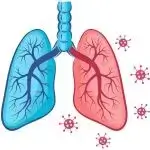
The Role of the Lungs
The lungs continuously remove carbon dioxide produced by normal metabolism.
Healthy respiratory function supports normal gas exchange and oxygen delivery.
Lifestyle habits that support lung health include:
Avoiding smoking
Reducing exposure to second-hand smoke
Limiting unnecessary exposure to airborne irritants
Maintaining appropriate physical activity
Following medical treatment for respiratory conditions
The Role of the Skin
The skin provides an important protective barrier between the body and the external environment.
Sweat also helps regulate body temperature.
Good skin health depends on many factors, including:
A detoxification plan should not rely on excessive sweating as a primary method of eliminating harmful substances.
What Is Body Burden?
The term “body burden” describes the amount of a particular chemical or group of chemicals present in the body at a given time.
Exposure depends on several factors, including:
Amount of exposure
Frequency of exposure
Duration of exposure
How the substance enters the body
How the body processes the substance
How quickly the substance leaves the body
Different chemicals behave differently.
Some leave the body quickly, while others persist longer. For this reason, environmental exposure should be assessed carefully rather than grouped under a single broad concept of “toxins.”
Reducing Unnecessary Environmental Exposure
One part of our Healthy Detoxification Service may focus on practical ways to reduce unnecessary exposure to certain substances.
Recommendations may include:
Avoiding tobacco smoke
Limiting excessive alcohol intake
Washing produce
Following workplace safety practices
Using household products according to directions
Improving indoor ventilation
Avoiding unnecessary use of supplements
Reviewing personal care products when appropriate
Following safe food storage practices
Using protective equipment when working with chemicals
The goal is sensible exposure reduction without creating unnecessary restrictions.
Nutrition and Detoxification
Nutrition supports the normal function of the liver, kidneys, digestive tract, and other organs involved in metabolism and elimination.
Your naturopathic doctor may review:
The focus is on adequate nutrition rather than extreme cleansing diets.
Fibre and Healthy Elimination
Dietary fibre supports bowel regularity and digestive health.
Sources include:
Vegetables
Fruits
Legumes
Whole grains
Nuts
Seeds
The amount and type of fibre that works best varies between individuals.
People with IBS, inflammatory bowel disease, gastrointestinal narrowing, or other digestive conditions may require more specific guidance.
Hydration
Adequate hydration supports normal kidney and digestive function.
Fluid needs vary depending on:
Body size
Physical activity
Climate
Diet
Pregnancy
Breastfeeding
Medications
Medical conditions
Your naturopathic doctor will help determine an appropriate approach based on your needs.
Sleep and Recovery
Poor sleep affects energy, concentration, appetite, stress, and overall health.
Some patients who seek detoxification support primarily need help improving sleep and recovery.
Your plan may include strategies related to:
Improving sleep often supports many of the symptoms people associate with feeling “toxic” or run-down.
Stress Management
Stress affects digestion, sleep, appetite, energy, concentration, and muscle tension.
For this reason, stress management often forms part of a broader wellness plan.
Your naturopathic doctor may discuss strategies such as:
The goal is to support healthier stress regulation rather than describe emotional experiences as toxins.
Physical Activity
Regular movement supports circulation, cardiovascular health, sleep, mood, digestion, and metabolic health.
Recommendations depend on your fitness level and medical history.
Activities may include:
People with medical limitations should follow guidance from their healthcare provider.
Supplements and Herbal Products
Some detox programs rely heavily on supplements, herbs, teas, powders, or cleansing products.
More is not always better.
Certain supplements interact with:
Your naturopathic doctor will review your current medications and supplements before recommending new products.
Laboratory Testing
Testing may be appropriate when symptoms suggest a nutritional deficiency, metabolic issue, hormonal concern, liver problem, kidney concern, or another medical condition.
Depending on your history, your healthcare provider may consider testing related to:
Complete blood count
Iron status
Vitamin B12
Vitamin D
Thyroid function
Blood sugar
Liver enzymes
Kidney function
Electrolytes
Testing should reflect your symptoms rather than serve as routine “detox testing.”
What to Expect From the Healthy Detoxification Service
Your first visit begins with a detailed health assessment.
Your naturopathic doctor may review:
Current symptoms
Diet
Bowel habits
Sleep
Stress
Physical activity
Alcohol intake
Smoking
Medications
Supplements
Work environment
Environmental exposures
Medical history
Laboratory results
Family history
This assessment helps identify areas where lifestyle, nutrition, or further medical investigation deserves attention.
Your Personalized Wellness Plan
Your plan may include recommendations involving:
Recommendations will reflect your health history and goals.
Avoid Extreme Detox Programs
Aggressive detox programs, prolonged fasting, laxatives, excessive supplement use, extreme calorie restriction, or frequent cleansing products may cause harm.
Possible risks include:
Dehydration
Electrolyte imbalance
Nutrient deficiencies
Diarrhea
Constipation
Blood sugar changes
Medication interactions
Liver injury
Kidney stress
A safe wellness program should support normal body function without placing unnecessary stress on the body.
When Should You Seek Medical Attention?
Persistent fatigue, headaches, muscle pain, joint pain, or brain fog sometimes signal a medical condition that requires proper evaluation.
Speak with a healthcare professional if symptoms are persistent, worsening, or unexplained.
Seek prompt medical assessment for symptoms such as:
These symptoms should not be treated as routine “detox reactions.”