
Lymphatic Drainage Massage, Mississauga
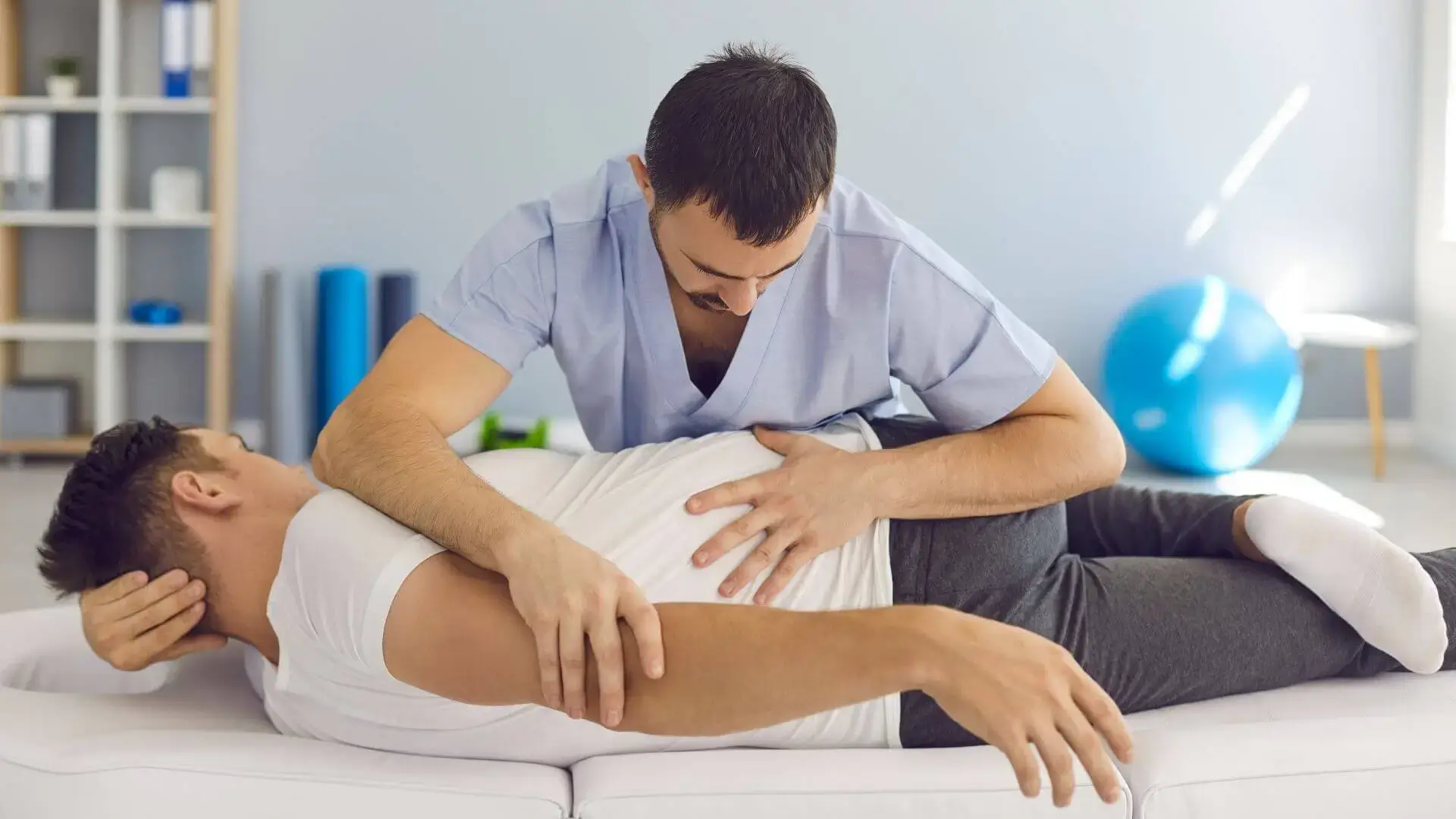
Feeling swollen, heavy, puffy or uncomfortable due to fluid buildup? Gentle Manual Therapy to Support Lymphatic Flow, Swelling and Fluid Movement.
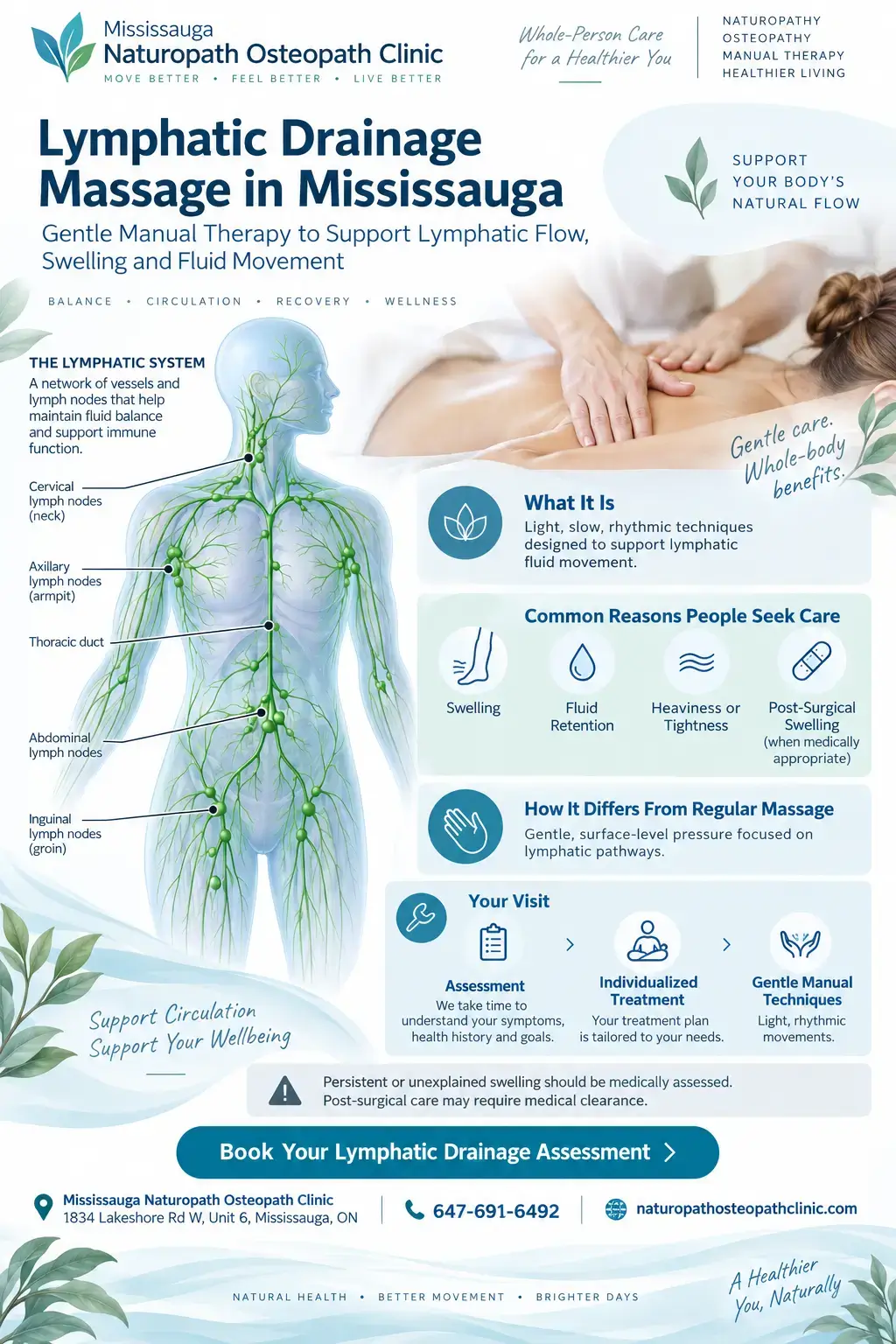
Lymphatic drainage massage in Mississauga offers a gentle approach designed to support the natural movement of lymphatic fluid throughout the body. Unlike deep tissue massage, lymphatic drainage relies on light, slow and rhythmic techniques directed toward the lymphatic system.
At Mississauga Naturopath Osteopath Clinic, our osteopathic practitioners take a whole-body approach when assessing concerns related to fluid movement, tissue tension, mobility and circulation.
Treatment begins with an assessment of your symptoms, health history and areas of concern. Your practitioner then develops an individualized treatment approach based on your needs and whether lymphatic drainage techniques are appropriate for you.
Book an appointment for lymphatic drainage therapy in Mississauga.
Mississauga's Best Manual Osteopath Practitioners
What Is Lymphatic Drainage Massage?
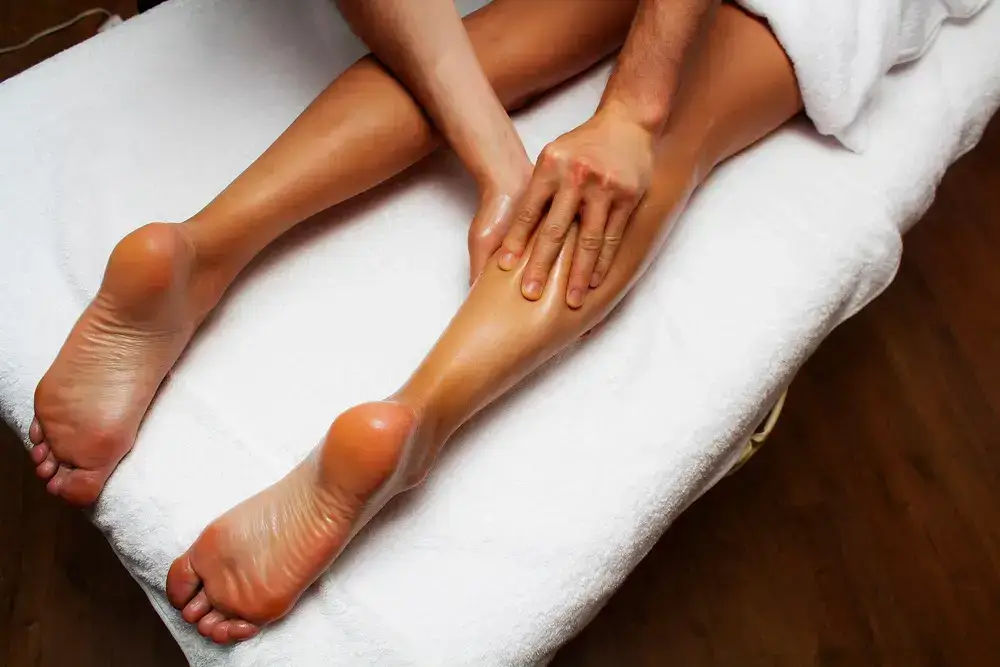
Lymphatic drainage massage, also called manual lymphatic drainage or MLD, uses gentle manual techniques to encourage the movement of lymphatic fluid through lymphatic vessels toward functioning lymph nodes.
Your lymphatic system plays an important role in maintaining fluid balance and supporting immune function. A network of lymph vessels and lymph nodes collects excess fluid from tissues and returns this fluid to circulation.
Unlike the cardiovascular system, the lymphatic system does not have a central pump like the heart. Muscle movement, breathing and normal body movement all contribute to lymphatic circulation.
Manual lymphatic drainage works with these natural processes through light and carefully directed movements.
What Does the Lymphatic System Do?
Your lymphatic system extends throughout the body and works closely with your circulatory and immune systems.
Its main functions include:
- Collecting excess fluid from body tissues
- Transporting lymphatic fluid through lymph vessels
- Filtering lymph through lymph nodes
- Supporting normal immune function
- Helping maintain tissue fluid balance
- Returning filtered fluid to the bloodstream
Major groups of lymph nodes sit around the neck, chest, armpits, abdomen and groin.
When normal lymphatic flow becomes disrupted, fluid sometimes collects within tissues. This buildup often causes visible swelling, tightness, heaviness or discomfort.
What Is Manual Lymphatic Drainage?
Manual lymphatic drainage is a specialized form of gentle manual therapy.
The practitioner uses slow, rhythmic and directional movements across the skin rather than applying strong pressure into deeper muscles.
A treatment often focuses on creating pathways for lymphatic fluid to move toward areas where the lymphatic system functions normally.
Because many lymphatic vessels sit close to the surface of the skin, lymphatic drainage requires much lighter pressure than traditional massage.
Forceful pressure does not improve lymphatic drainage. Proper technique, direction and rhythm matter far more than pressure.
Benefits of Lymphatic Drainage Massage
People seek lymphatic drainage therapy for different reasons.
Depending on your health history and underlying cause of your symptoms, manual lymphatic drainage might help support:
- Reduction of certain types of swelling
- Movement of excess tissue fluid
- Relief from feelings of heaviness or tightness
- Improved comfort in swollen areas
- Normal lymphatic circulation
- Tissue mobility
- Recovery following certain procedures when medically appropriate
- Relaxation and overall physical comfort
Results differ from person to person. Your practitioner will assess the cause and pattern of your symptoms before recommending treatment.
Lymphatic drainage does not replace medical diagnosis or treatment for underlying health conditions.
Lymphatic Drainage for Swelling and Fluid Retention
Swelling develops when fluid accumulates within body tissues.
Several factors might contribute to swelling, including:
- Injury
- Surgery
- Reduced movement
- Lymphatic disruption
- Certain medical treatments
- Circulatory problems
- Inflammation
- Changes affecting lymph nodes or lymph vessels
Persistent or unexplained swelling needs proper medical assessment before treatment.
Once serious medical causes have been ruled out, gentle lymphatic drainage techniques might form part of a broader treatment plan.
Manual Lymphatic Drainage for Lymphedema
Lymphedema develops when lymphatic fluid accumulates because the lymphatic system does not drain fluid effectively.
Lymphedema often affects an arm or leg, although other areas of the body also develop swelling.
Symptoms sometimes include:
- Persistent swelling
- Heaviness
- Tightness
- Aching or discomfort
- Reduced range of motion
- Skin tightness
- Changes in tissue texture
- Difficulty fitting into clothing, shoes or jewellery
Some people develop secondary lymphedema following lymph node removal, cancer treatment, radiation therapy, surgery or injury to lymphatic structures.
Manual lymphatic drainage forms one part of certain lymphedema management programs. Depending on the individual, treatment might also involve compression garments, exercise, skin care and guidance from appropriate healthcare professionals.
Patients diagnosed with lymphedema should follow recommendations from their medical team.
Lymphatic Drainage After Surgery
Some patients ask about lymphatic drainage following surgical procedures because temporary swelling often develops during recovery.
Gentle lymphatic techniques sometimes support swelling management during certain stages of recovery.
Post-surgical treatment requires extra care.
Your practitioner will consider:
- The type of surgery
- How recently surgery took place
- Healing of the surgical area
- Infection risk
- Your surgeon’s instructions
- Medications
- Blood clot risk
- Your overall medical history
Always follow your surgeon’s recommendations before starting manual therapy after surgery.
If medical clearance is required, treatment should begin only after receiving appropriate approval.
Lymphatic Drainage Following Cancer Treatment
Cancer treatment sometimes affects lymph nodes and lymphatic pathways.
People who undergo breast cancer surgery, lymph node removal or radiation therapy sometimes develop swelling or lymphedema in an arm, chest or surrounding tissues.
These situations require specialized assessment.
Patients with a history of cancer treatment should speak with their physician or oncology team before receiving lymphatic drainage when medical clearance has not already been provided.
Treatment should complement your existing medical care rather than replace it.
What Happens During a Lymphatic Drainage Session?
Your first visit begins with an assessment.
Your osteopathic practitioner will ask questions about:
- Your main symptoms
- Where swelling occurs
- When symptoms started
- Previous injuries
- Previous surgeries
- Cancer treatment history
- Current medical conditions
- Medications
- Changes in swelling
- Pain or tenderness
- Your mobility and activity level
Your practitioner will also look for signs suggesting another healthcare professional should assess your symptoms before manual treatment begins.
During treatment, you usually lie comfortably on the treatment table while your practitioner applies gentle and controlled manual techniques.
Treatment areas vary according to your symptoms and clinical findings.
The practitioner might work around areas such as the:
- Neck
- Upper chest
- Rib cage
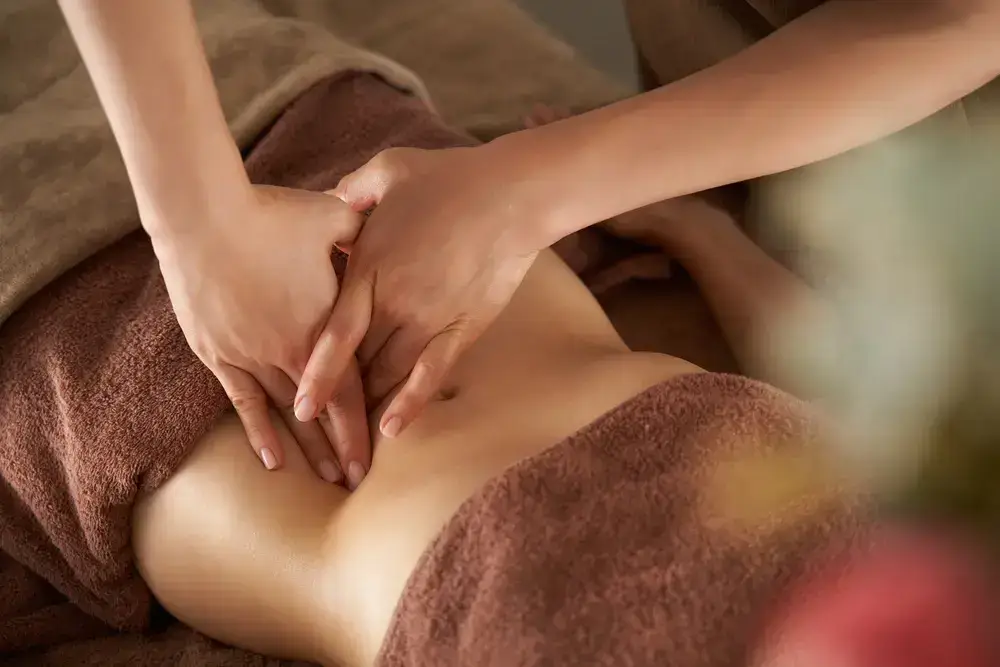
- Abdomen
- Arms
- Legs
- Surrounding tissues
Treatment should feel gentle. Manual lymphatic drainage should not feel like deep tissue massage.
Lymphatic Drainage Massage vs. Regular Massage
Lymphatic drainage and traditional massage serve different purposes.
Lymphatic drainage uses light, rhythmic movements directed toward lymphatic pathways. Treatment focuses primarily on lymphatic flow and tissue fluid movement.
Traditional massage often uses firmer pressure to address muscles, soft tissue tension and relaxation.
Deep tissue techniques reach deeper muscular and fascial layers. Manual lymphatic drainage stays much closer to the surface.
Patients experiencing unexplained swelling should receive appropriate assessment rather than assuming deeper massage will solve the problem.
How Osteopathy Supports Lymphatic Function
Osteopathic manual practice looks at how different areas of the body move and interact.
Your practitioner might assess more than the area where you notice swelling.
Depending on your findings, an osteopathic assessment might consider:
- Rib cage mobility
- Breathing mechanics
- Diaphragm movement
- Soft tissue restrictions
- Fascial tension
- Joint mobility
- Posture
- Movement patterns
- Areas surrounding major lymphatic pathways
Your treatment plan might combine gentle lymphatic drainage with other osteopathic techniques when appropriate.
The goal is to provide individualized treatment rather than applying the same technique to every patient.
Who Might Consider Lymphatic Drainage Therapy?
People often inquire about lymphatic drainage when experiencing:
- Swelling
- Fluid accumulation
- Limb heaviness
- Tissue tightness
- Reduced comfort due to swelling
- Certain post-surgical swelling
- Diagnosed lymphedema under appropriate medical guidance
- Reduced mobility contributing to fluid stagnation
The presence of swelling does not automatically mean lymphatic drainage is appropriate.
Your practitioner first needs to understand why the swelling developed.
When Should Lymphatic Drainage Be Avoided?
Certain health conditions require medical assessment before lymphatic drainage.
Speak with your healthcare provider before treatment if you have or suspect:
- A blood clot or deep vein thrombosis
- An active infection
- Cellulitis
- Fever
- Significant heart disease
- Heart failure
- Kidney failure or serious kidney disease
- Sudden unexplained swelling
- Acute inflammation
- Active cancer concerns
- Newly developed swelling following surgery
- Severe unexplained pain
- Shortness of breath associated with swelling
Sudden swelling, chest pain, breathing difficulty or symptoms suggesting a blood clot require prompt medical attention.
A responsible practitioner should refer you to appropriate medical care whenever symptoms fall outside the scope of manual therapy.
How Many Lymphatic Drainage Treatments Will I Need?
Treatment frequency depends on the cause, severity and duration of your symptoms.
Some patients seek treatment for a temporary concern. Others have ongoing conditions requiring coordinated management over a longer period.
Your practitioner will review your progress instead of recommending a fixed number of visits for everyone.
Factors affecting your treatment plan include:
- Cause of the swelling
- How long symptoms have been present
- Area of the body involved
- Previous surgery or medical treatment
- Activity level
- Existing medical conditions
- Response to treatment
- Recommendations from your healthcare team
Following your assessment, your practitioner will discuss appropriate treatment frequency and goals.
What Should I Wear to My Appointment?
Wear comfortable clothing to your appointment.
Your practitioner needs appropriate access to the treatment area while maintaining your comfort and privacy.
Bring relevant medical information when your symptoms relate to surgery, lymphedema or another diagnosed condition.
If another healthcare provider has given you specific treatment restrictions, tell your practitioner before treatment begins.
Why Choose Our Mississauga Clinic for Lymphatic Drainage?
Our approach focuses on individualized care rather than treating swelling as an isolated symptom.
When you visit our Mississauga clinic, your practitioner takes time to understand your symptoms, health history and treatment goals before beginning care.
Our approach includes:
- Individual assessment before treatment
- Gentle manual techniques
- Osteopathic assessment of related body structures
- Treatment tailored to your symptoms
- Clear explanations throughout your appointment
- Attention to medical precautions and contraindications
- Referral to another healthcare professional when needed
We want you to understand why a technique is being used and what role it plays within your treatment plan.
Lymphatic Drainage Massage in Mississauga
If you are searching for lymphatic drainage massage near you in Mississauga, our clinic provides individualized osteopathic care using gentle manual techniques when clinically appropriate.
Whether you are experiencing swelling, heaviness, fluid buildup or another concern involving tissue fluid movement, the first step is understanding what is contributing to your symptoms.
Book an assessment with our Mississauga osteopathic practitioner to discuss whether lymphatic drainage techniques are suitable for you.
Frequently Asked Questions About Lymphatic Drainage Massage
Is lymphatic drainage massage painful?
No. Manual lymphatic drainage normally uses light and gentle pressure. The treatment should not feel like deep tissue massage.
Does lymphatic drainage help swelling?
Manual lymphatic drainage forms part of treatment for certain types of swelling, particularly lymphedema. The cause of your swelling needs to be identified first because different medical conditions require different forms of care.
Is manual lymphatic drainage the same as massage therapy?
No. Manual lymphatic drainage uses specialized, light and directional movements focused on lymphatic flow. Traditional massage often focuses more heavily on muscles, tension and soft tissues.
Is lymphatic drainage suitable after surgery?
Some patients receive lymphatic drainage as part of post-surgical care. Timing depends on the procedure, healing stage, medical history and instructions from your surgeon. Medical clearance might be required.
Does lymphatic drainage help lymphedema?
Manual lymphatic drainage forms part of established lymphedema management for appropriate patients. Lymphedema care often includes other measures such as compression, exercise, skin care and ongoing medical supervision.
How soon will I notice a difference?
Response varies according to the underlying cause and severity of swelling. Some people notice changes in comfort or tissue tightness after treatment, while chronic conditions often require ongoing management.
Should I drink water after lymphatic drainage?
Maintaining normal hydration supports general health. Your practitioner will provide advice based on your individual needs rather than recommending excessive water intake.
Do I need a referral?
A referral is generally not required to book an osteopathic assessment. Patients with significant medical conditions, unexplained swelling, recent surgery or known lymphedema might need medical guidance or clearance before treatment.
Book Lymphatic Drainage Therapy in Mississauga
Concerned about swelling, fluid buildup, heaviness or changes in tissue comfort?
Schedule an appointment with an osteopathic practitioner at Mississauga Naturopath Osteopath Clinic.
Your appointment starts with an assessment to determine whether lymphatic drainage or another osteopathic approach fits your needs.
Book your appointment today and speak with our team about lymphatic drainage therapy in Mississauga.
Mississauga Naturopath Osteopath Clinic Osteopathic Services
For diagnosis, speak with your medical doctor.
Manual osteopathic practitioners support clients with issues such as:
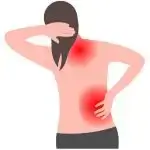
Osteopath Pain Management
Hands-on, non-invasive care for pain relief and mobility restoration. Whether you're dealing with back pain, joint discomfort, or postural strain, osteopathic manual therapy targets the root cause—improving circulation, reducing tension, and enhancing the body’s natural healing response.
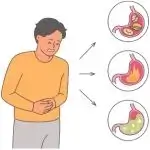
Osteopath Systemic Dysfunction and Problems
Address systemic dysfunctions affecting circulation, digestion, respiration, and neurological balance. Through gentle manual techniques, we support the body’s interconnected systems—restoring function, reducing chronic symptoms, and improving overall physiological harmony.
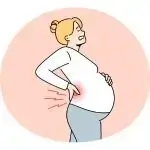
Pregnancy
Care for pregnancy offers gentle, hands-on care to support the changing body throughout each trimester. We help relieve back pain, pelvic discomfort, postural strain, and prepare the body for smoother labour and recovery—all while promoting balance and well-being for both mother and baby.
Ear, Nose and Throat Problems
ENT issues focus on improving drainage, circulation, and structural alignment. Gentle techniques may help alleviate chronic sinusitis, ear infections, congestion, jaw tension, and related headaches by encouraging natural healing and restoring cranial-sacral balance.

Pediatric Osteopathy (Babies and Children)
Pediatric, babies and children uses gentle, hands-on techniques to support healthy development and address issues such as colic, reflux, sleep disturbances, birth trauma, and postural imbalances. Pediatric osteopathy promotes natural alignment and optimal function in growing bodies.
Respiratory Illness
Respiratory system by enhancing chest mobility, improving diaphragm function, and promoting lymphatic drainage. This hands-on approach can help relieve symptoms associated with asthma, bronchitis, sinusitis, and other respiratory conditions by encouraging better breathing and reducing congestion.
If you liked this content and found it to be informative