Osteopathy Treatment can be helpful for pain due to Motor Vehicle Accidents (MVA). Auto accidents often lead to injuries such as whiplash, back pain, neck pain, and soft tissue damage. These injuries can cause long-term discomfort and limit mobility if not properly addressed.
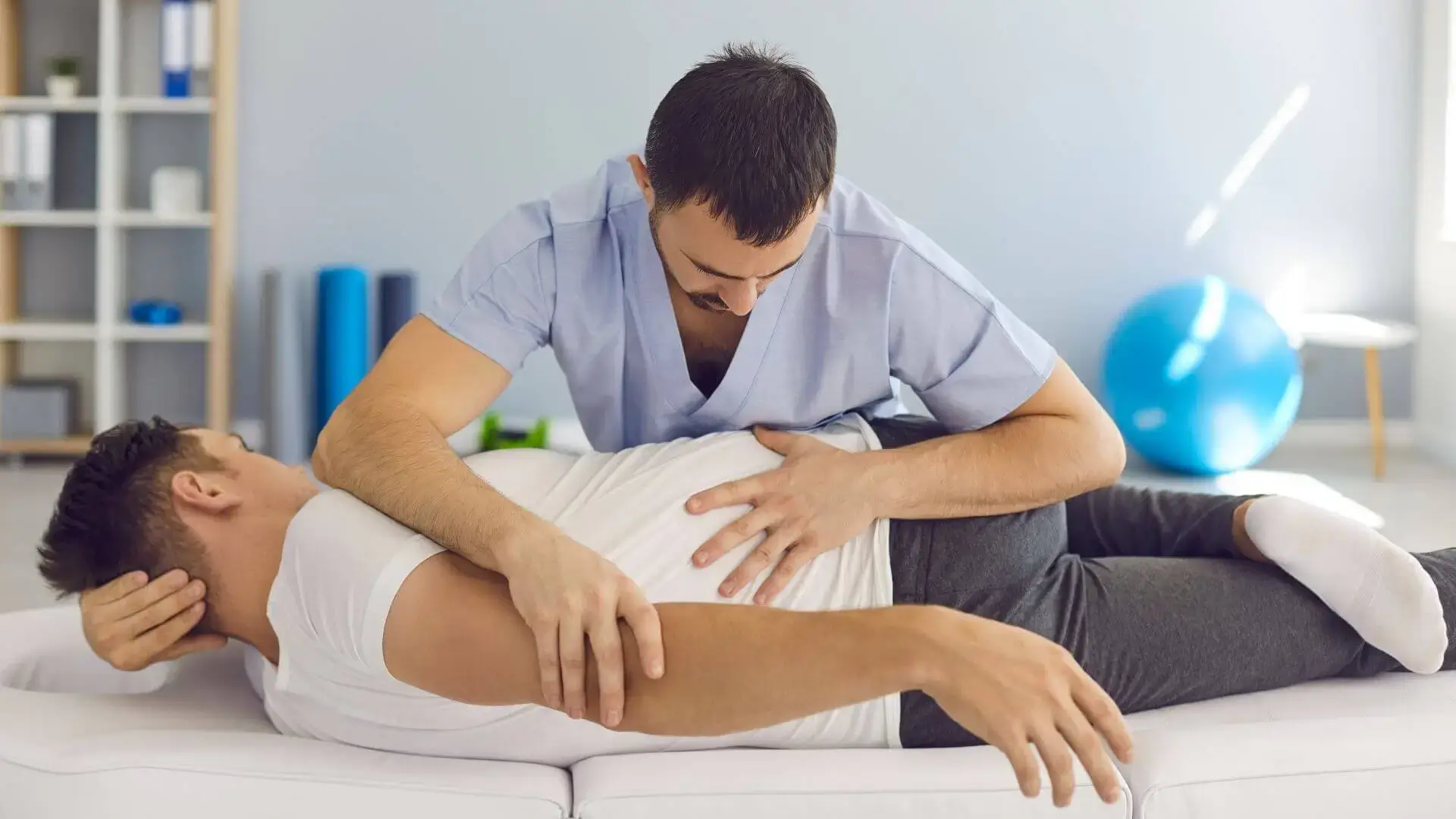
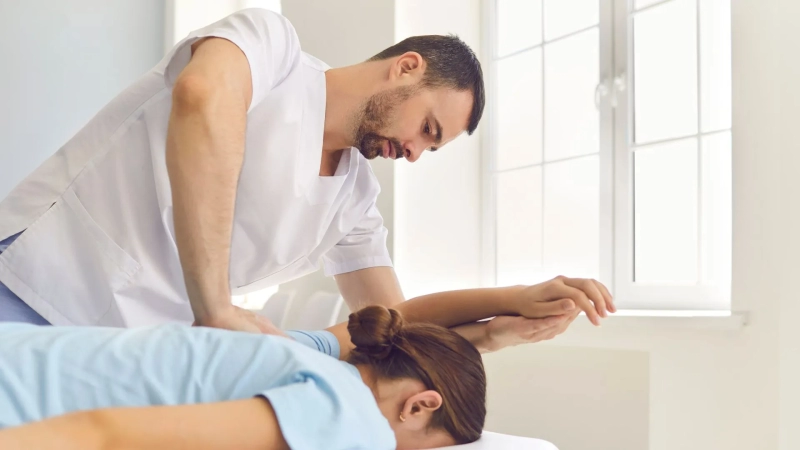
Our osteopathic practitioners are trained to diagnose and support a wide range of medical conditions, including pain resulting from auto injuries. They use a variety of techniques, including manual therapy, to help alleviate pain, promote healing, and restore function. These techniques may include gentle stretching and manipulation of the muscles, joints, and connective tissues to improve mobility and reduce pain.
Osteopathy focuses on addressing the root causes of pain and dysfunction caused by auto injuries. Whether it’s muscle tension, joint misalignment, or inflammation, our practitioners use tailored approaches to enhance blood flow, reduce stiffness, and support the body’s natural healing processes.
In addition to physical pain, auto accidents can cause stress and tension throughout the body. Osteopathy offers a holistic approach to care, helping to release stress-related muscle tension and promoting overall well-being.
Motor Vehicle Accidents (MVA) Pain Relief
Motor vehicle accidents can cause severe physical pain and suffering, leading to a decrease in quality of life. Osteopathy is a hands-on form of complementary medicine that aims to improve the wellbeing of patients by supporting their musculoskeletal system. This article will explore how osteopathy helps relieve pain from motor vehicle accidents. It will discuss the benefits of an osteopath’s approach, what can be expected from care, and how it differs from physiotherapists and chiropractors. Pain due to a motor vehicle accident can be severe and debilitating, sometimes leaving individuals unable to work or participate in activities they once enjoyed. While medications and other care may be helpful in providing relief, there are also care available such as osteopathic care which could help reduce pain and improve mobility. Osteopaths use a holistic approach that looks at the body as an interconnected whole, rather than simply supporting isolated areas of pain.
What is Osteopathy?
Osteopathy is a system of medicine that focuses on the diagnosis and care of conditions that affect the musculoskeletal system. Osteopaths use a hands-on approach to diagnose and support patients, using a variety of techniques, including manual therapy, to help improve mobility, reduce pain, and promote healing. Osteopathy is based on the principle that the body has the ability to heal itself, and osteopaths strive to help the body achieve this by addressing the underlying causes of pain and dysfunction. Osteopathic medicine is a holistic approach to healthcare that considers the whole person, including their physical, emotional, and social well-being.
Osteopathy for MVA Pain
Osteopathy Treatment for pain due to motor vehicle accidents involves using manual therapy techniques to help alleviate pain and promote healing. These techniques may include gentle stretching and manipulation of the muscles, joints, and connective tissue. The goal of this care is to improve mobility and reduce pain. An osteopath may also recommend other forms of care, such as medication or rehabilitation exercises, to help manage pain and promote healing. It is important to consult with an osteopath if you are experiencing pain after a motor vehicle accident to receive appropriate care.
Benefits of Osteopathy for MVA Pain
There are several potential benefits of osteopathy for pain due to motor vehicle accidents, including:
- A holistic approach: Osteopathic medicine is a holistic approach to healthcare that considers the whole person, including their physical, emotional, and social well-being. This can help to improve overall health and well-being, as well as address pain and other symptoms.
- A focus on the musculoskeletal system: Osteopaths are trained to diagnose and support conditions that affect the musculoskeletal system, which can be particularly helpful for pain due to a motor vehicle accident.
- A hands-on approach: Osteopathy involves the use of manual therapy techniques, such as gentle stretching and manipulation, to help alleviate pain and improve mobility. This can be a highly effective way to address pain and promote healing.
- Individualized care: Osteopaths take the time to understand each patient’s unique needs and develop a personalized care plan to address their specific concerns. This can help to ensure that the care is effective and addresses the underlying causes of pain.
Overall, osteopathy can be a helpful and effective way to manage pain due to a motor vehicle accident. It is important to consult with an osteopath to determine if this type of care is right for you.
Risks and Disadvantages of Osteopathy
Osteopathy is generally considered to be safe and effective. However, as with any medical care, there are some potential risks and side effects to consider. Some possible risks of osteopathy include:
- Soreness or discomfort: Some people may experience soreness or discomfort after an osteopathic care session. This is typically mild and should resolve on its own within a few days.
- Aggravation of symptoms: In rare cases, osteopathy may temporarily aggravate symptoms, such as pain or stiffness. If this occurs, it is important to let the osteopath know so that they can adjust the care plan accordingly.
It is important to discuss any concerns or potential risks with an osteopath before starting care. They can provide more information and help you make an informed decision about whether osteopathic care is right for you.
Osteopathy is generally considered to be safe and effective. However, as with any medical care, there are some potential risks and side effects to consider. Some possible risks of osteopathy include:
- Soreness or discomfort: Some people may experience soreness or discomfort after an osteopathic care session. This is typically mild and should resolve on its own within a few days.
- Aggravation of symptoms: In rare cases, osteopathy may temporarily aggravate symptoms, such as pain or stiffness. If this occurs, it is important to let the osteopath know so that they can adjust the care plan accordingly.
It is important to discuss any concerns or potential risks with an osteopath before starting care. They can provide more information and help you make an informed decision about whether osteopathy is right for you.