
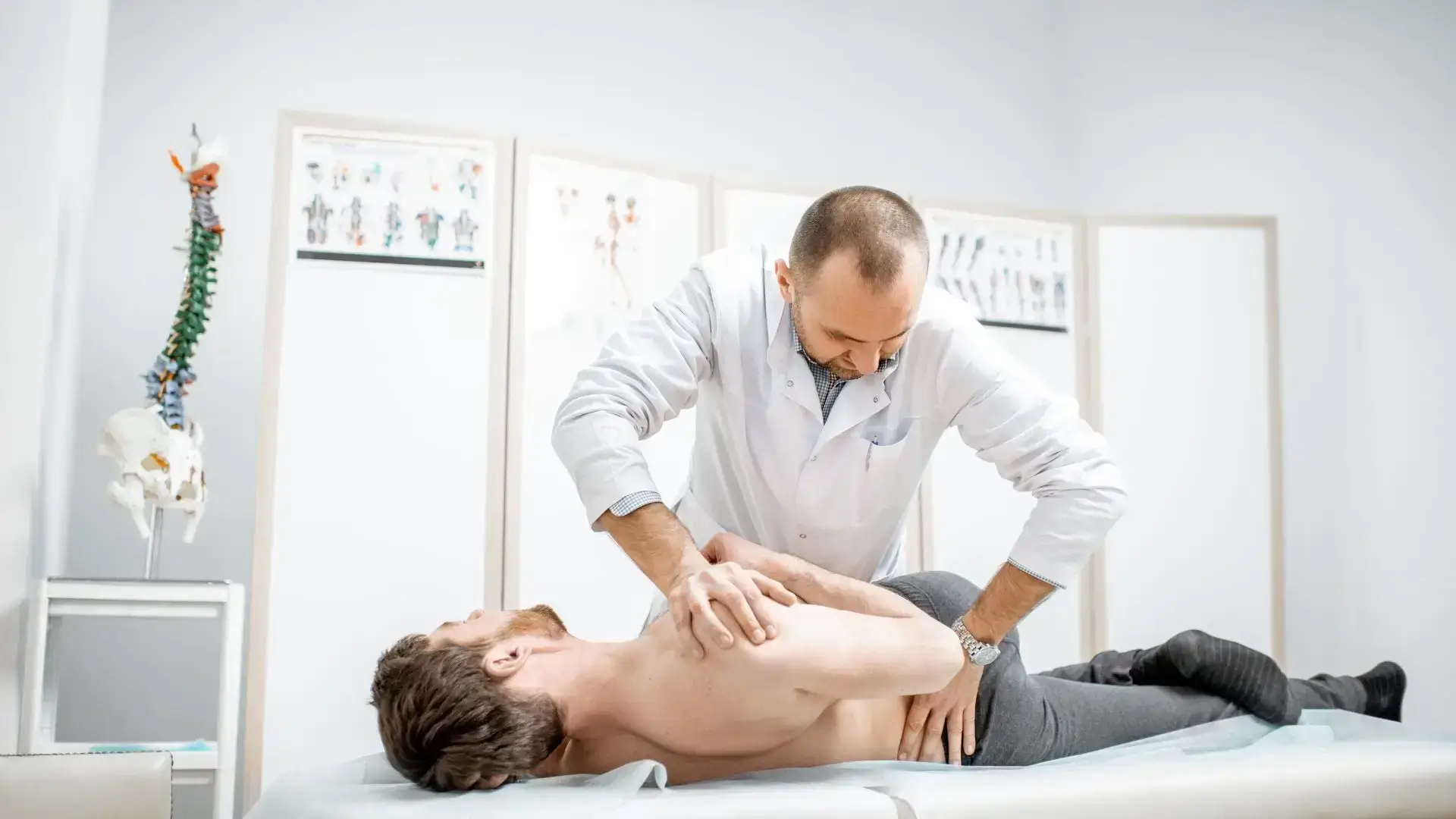

Soft Tissues Therapy
Soft tissue therapy in osteopathy is a fundamental care technique focused on addressing dysfunctions in the muscles, fascia, ligaments, and connective tissues of the body. Osteopathic practitioners use their hands to assess and address areas of tension, tightness, and restricted mobility in soft tissues, aiming to restore balance and enhance the body’s natural healing abilities.
What is Soft Tissue Therapy?
Soft tissue therapy encompasses a variety of manual techniques including stretching, pressure application, and myofascial release. These approaches aim to:
- Reduce muscular tension and pain
- Improve circulation and lymphatic drainage
- Enhance flexibility and range of motion
- Break down scar tissue and adhesions
- Support postural correction and structural alignment
Conditions supported with Soft Tissue Therapy
This osteopathic technique is particularly useful for managing:
- Chronic muscular pain and spasms
- Sports injuries and repetitive strain injuries
- Neck and back pain
- Post-surgical recovery
- Stress-related muscle tension
- Fibromyalgia and myofascial pain syndromes
Benefits of Soft Tissue Therapy in Osteopathy
By improving the function of soft tissues, patients often experience reduced pain, improved mobility, enhanced posture, and a general sense of well-being. It also supports other osteopathic manipulations by preparing the tissues and promoting circulation.

Cranial-Sacral Therapy
Cranial-Sacral Therapy (CST) is a gentle, hands-on osteopathic technique designed to evaluate and enhance the functioning of the craniosacral system — comprised of the membranes and cerebrospinal fluid that surround and protect the brain and spinal cord. This therapy promotes balance and harmony within the central nervous system and can lead to improved physical and emotional health.
What Is Cranial-Sacral Therapy?
Cranial-Sacral Therapy involves light-touch manual manipulation of the bones of the skull, spine, and pelvis. The goal is to relieve tension in the tissues and fluid surrounding the central nervous system. This can improve the body’s natural healing capabilities and restore optimal functioning across a range of systems.
How It Works
Practitioners apply gentle pressure to assess the rhythmic motion of the craniosacral system. By identifying and releasing restrictions, CST helps normalize the flow of cerebrospinal fluid, reduce tension and compression, and improve communication between the brain and body. The care is deeply relaxing and can create a profound sense of calm and well-being.
Conditions Supported With Cranial-Sacral Therapy
- Migraines and headaches
- Chronic pain and fatigue
- Stress and tension-related disorders
- Post-concussion symptoms
- Temporomandibular Joint (TMJ) dysfunction
- Neurological conditions
- Sleep disturbances
- Whiplash and traumatic injuries
- Infant colic and birth trauma
Benefits of Cranial-Sacral Therapy
- Encourages deep relaxation and stress relief
- Supports nervous system balance
- Improves sleep and concentration
- Enhances immunity and overall resilience
- Reduces pain and inflammation
- Facilitates emotional release and mental clarity
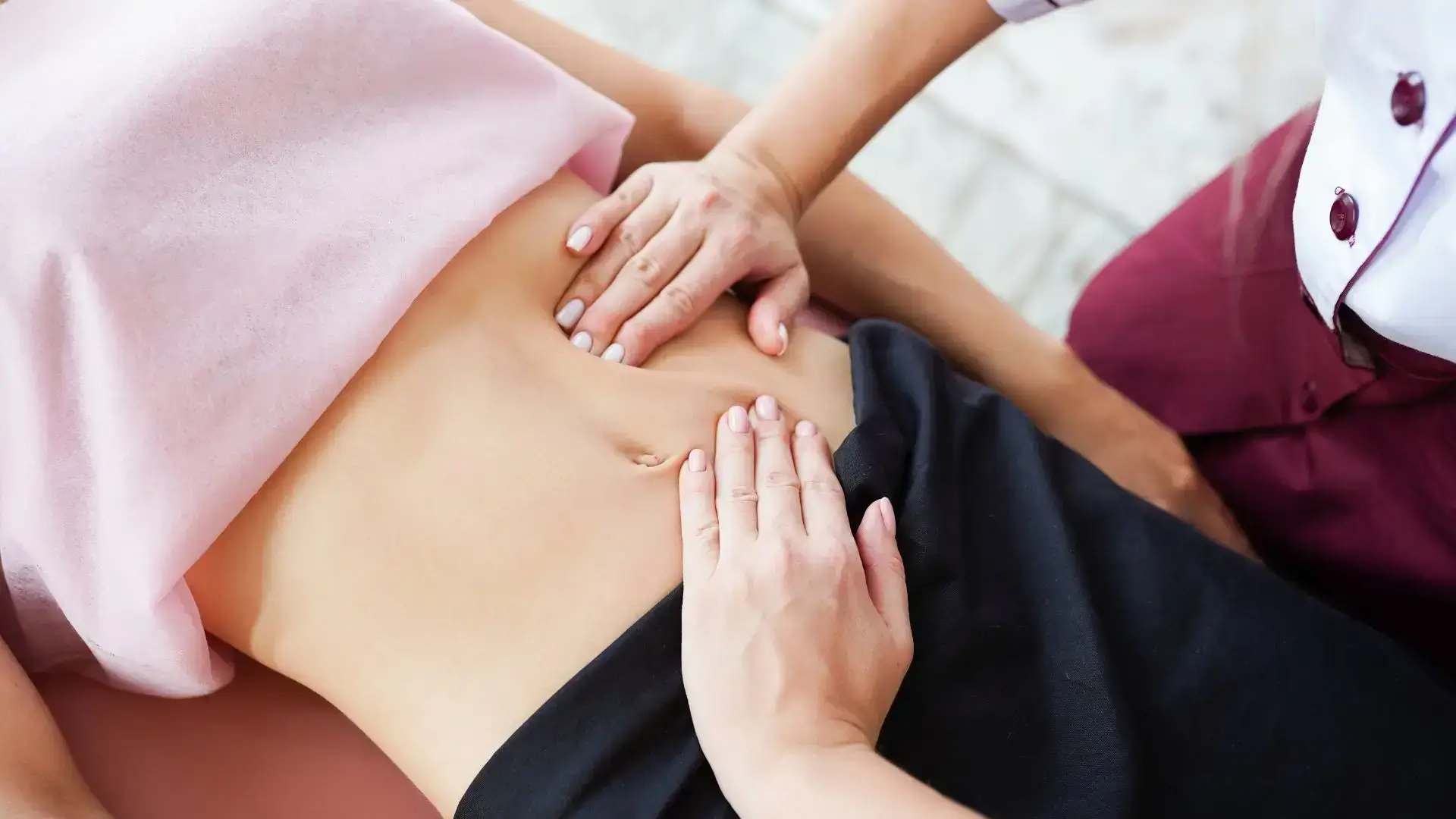
Visceral Manipulation Therapy
Visceral Manipulation Therapy (VMT) is a gentle, hands-on osteopathic approach that focuses on the internal organs, their connective tissues, and their alignment within the body. This technique is based on the principle that proper motion and positioning of the viscera (organs such as the liver, intestines, kidneys, and lungs) are essential for overall health and optimal physiological function.
How Visceral Manipulation Works
Trained osteopathic practitioners use precise manual techniques to evaluate and encourage the normal mobility, tone, and motion of the viscera and their connective tissues. By identifying and address abnormal tensions and restrictions, Visceral Manipulation aims to restore harmony and improve organ function.
Benefits of Visceral Manipulation
- Improves organ function and overall wellness
- Reduces chronic pain, especially in the abdomen and pelvis
- Relieves post-surgical adhesions and scar tissue restrictions
- Enhances digestion and elimination
- Supports reproductive and urinary system health
- Promotes emotional well-being through somato-emotional release
Conditions Supported with Visceral Manipulation
- Digestive issues (e.g., bloating, constipation, GERD)
- Chronic pelvic pain
- Post-operative complications and adhesions
- Menstrual and reproductive disorders
- Chronic musculoskeletal pain linked to organ dysfunction
- Urinary incontinence and bladder dysfunction
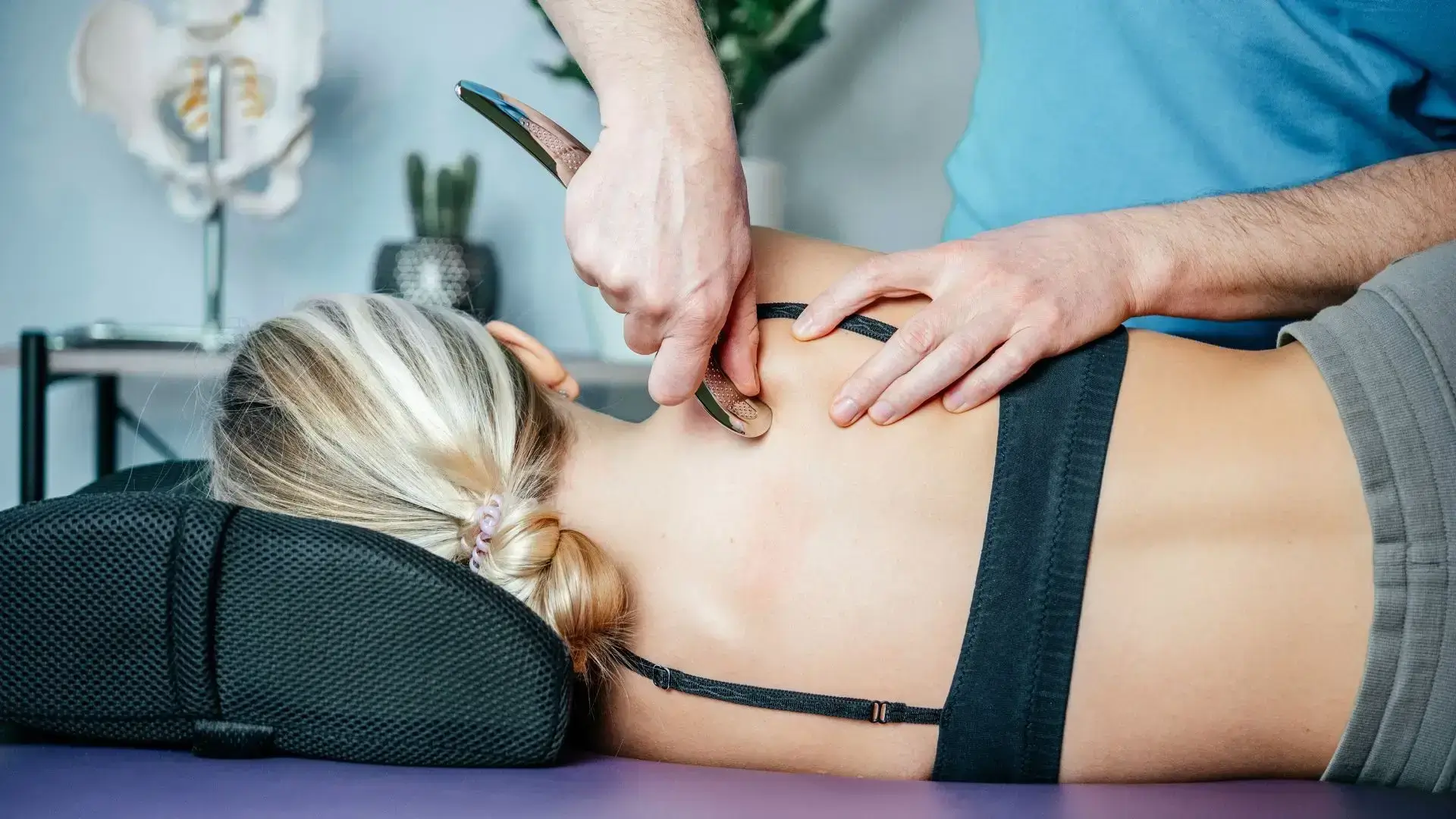
Myofascial Release Therapy
Myofascial Release Therapy is a hands-on osteopathic technique that focuses on relieving tension and restrictions in the fascia — the connective tissue that surrounds muscles, bones, and organs. This therapeutic approach aims to restore movement, reduce pain, and enhance overall structural balance within the body.
What Is the Fascia?
The fascia is a continuous web of connective tissue that covers and connects every part of the body. Injuries, inflammation, surgery, or habitual poor posture can cause the fascia to tighten and become restricted. These restrictions can lead to chronic pain, reduced mobility, and other musculoskeletal or systemic issues.
How Myofascial Release Works
During a myofascial release session, an osteopath applies gentle, sustained pressure into the fascial system to eliminate restrictions. The pressure is maintained until the tissue releases, allowing for increased circulation, improved range of motion, and decreased pain.
Conditions Supported with Myofascial Release Therapy
- Chronic neck and back pain
- Fibromyalgia
- Temporomandibular joint (TMJ) dysfunction
- Myofascial pain syndrome
- Sports injuries
- Post-surgical scar tissue
- Postural imbalances
- Headaches and migraines
Benefits of Myofascial Release Therapy
- Improved mobility and flexibility
- Reduced chronic pain
- Better alignment and posture
- Enhanced athletic performance
- Relief from tension-related conditions

Ortho-Bionomy Therapy
Ortho-Bionomy is a gentle, non-invasive osteopathic technique that helps the body return to its natural alignment and balance. Rooted in the principles of osteopathy, this therapy works by engaging the body’s self-corrective reflexes through comfortable positioning, subtle movements, and light compression.
How Ortho-Bionomy Works
Practitioners use body positioning to exaggerate the client’s preferred postures and comfort zones, activating neuromuscular feedback loops that assist the body in recognizing areas of imbalance. This awareness encourages relaxation of tense muscles and correction of structural issues without forceful manipulation.
Conditions supported with Ortho-Bionomy
- Chronic pain and muscle tension
- Postural imbalances
- Whiplash and injuries from accidents
- Joint pain and stiffness
- Neurological conditions and stress-related issues
Benefits of Ortho-Bionomy Therapy
- Improves mobility and function
- Relieves stress and physical discomfort
- Supports nervous system regulation
- Promotes deep relaxation and emotional well-being
- Complements other osteopathic and naturopathic care
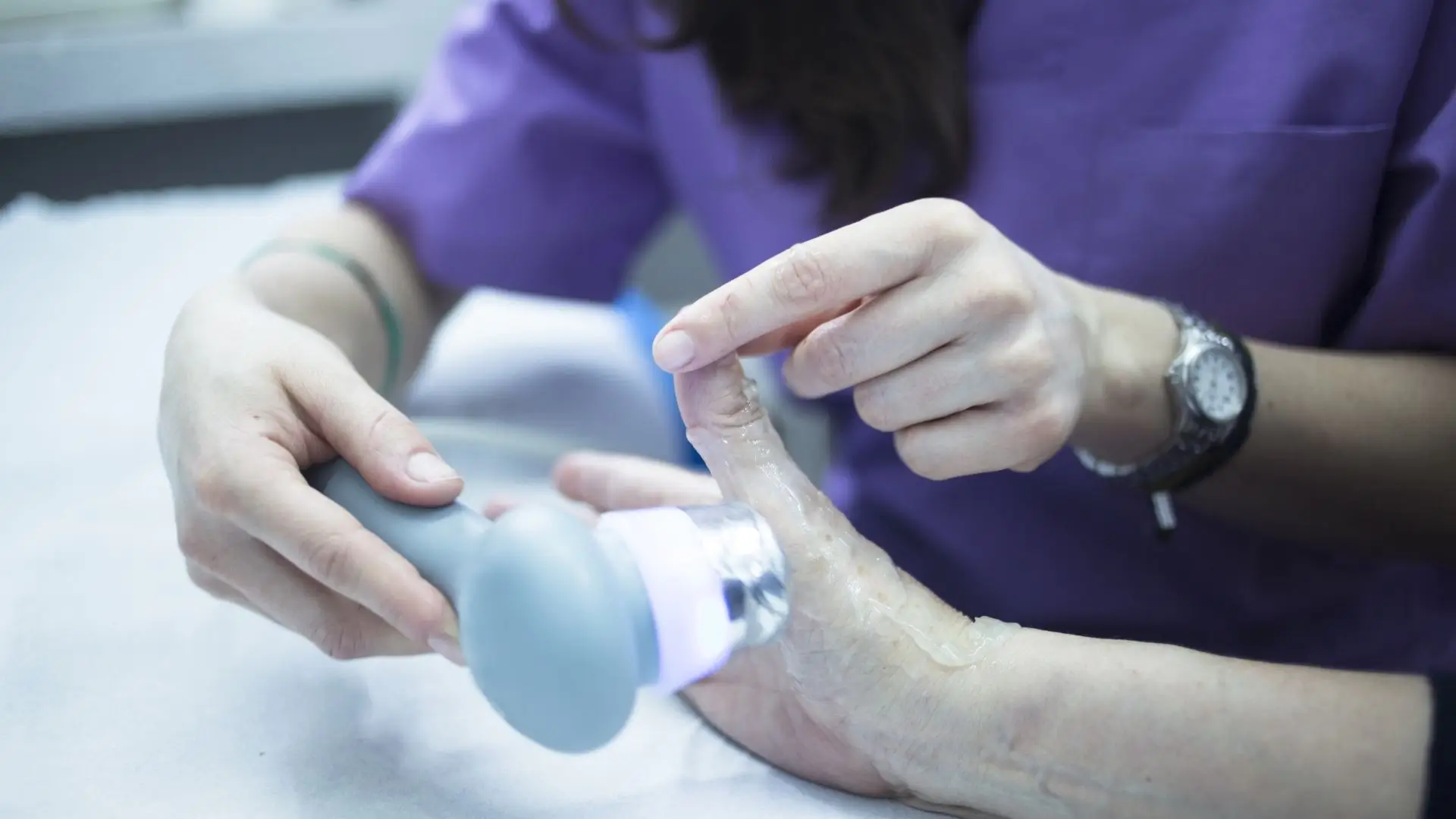
Strain Counterstrain Therapy
Strain Counterstrain Therapy is a gentle, non-invasive osteopathic care technique aimed at relieving musculoskeletal pain and restoring balance within the body. Developed by Dr. Lawrence Jones, this method identifies tender points caused by abnormal neuromuscular reflexes and uses passive positioning to alleviate discomfort and promote healing.
How It Works
The therapy involves positioning the body in a way that significantly reduces tension in the affected area. This position is held for 90 seconds, allowing the muscle and connective tissues to reset and return to their normal, pain-free state. This approach helps reduce muscle spasms, improve circulation, and restore proper function without forceful manipulation.
Conditions Supported
- Chronic muscle pain
- Back and neck pain
- Joint stiffness
- Postural imbalances
- Sports injuries
- Fibromyalgia
- Temporomandibular joint (TMJ) dysfunction
Benefits of Strain Counterstrain
- Safe and gentle for all age groups
- Minimally discomforting during the procedure
- Reduces inflammation and pain
- Enhances mobility and flexibility
- Supports natural healing
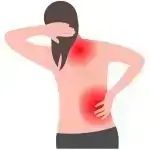
Osteopathic Pain Management
Hands-on, non-invasive care for pain relief and mobility restoration. Whether you're dealing with back pain, joint discomfort, or postural strain, osteopathic manual therapy targets the root cause—improving circulation, reducing tension, and enhancing the body’s natural healing response.
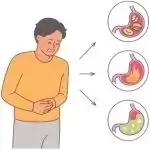
Osteopathic Systemic Dysfunction and Problems
Address systemic dysfunctions affecting circulation, digestion, respiration, and neurological balance. Through gentle manual techniques, we support the body’s interconnected systems—restoring function, reducing chronic symptoms, and improving overall physiological harmony.
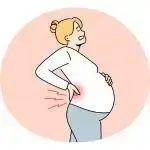
Pregnancy
Offers gentle, hands-on care to support the changing body throughout each trimester. We help relieve back pain, pelvic discomfort, postural strain, and prepare the body for smoother labour and recovery—all while promoting balance and well-being for both mother and baby.
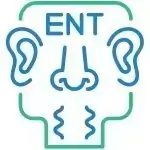
Ear, Nose and Throat Problems
ENT issues focus on improving drainage, circulation, and structural alignment. Gentle techniques may help alleviate chronic sinusitis, ear infections, congestion, jaw tension, and related headaches by encouraging natural healing and restoring cranial-sacral balance.

Pediatric Osteopathy (Babies and Children)
Pediatric, babies and children uses gentle, hands-on techniques to support healthy development and address issues such as colic, reflux, sleep disturbances, birth trauma, and postural imbalances. Pediatric osteopathy promotes natural alignment and optimal function in growing bodies.
Respiratory Illness
Supports the respiratory system by enhancing chest mobility, improving diaphragm function, and promoting lymphatic drainage. This hands-on approach can help relieve symptoms associated with asthma, bronchitis, sinusitis, and other respiratory conditions by encouraging better breathing and reducing congestion.