Understanding Cranial Sacral Therapy
Cranial Sacral Therapy (CST) is a gentle, hands-on technique that evaluates and enhances the function of the craniosacral system—the membranes and cerebrospinal fluid that surround and protect the brain and spinal cord. By using light touch, practitioners release restrictions in the craniosacral system to improve the functioning of the central nervous system and promote whole-body healing.
Conditions, Cranial Sacral Therapy
- Chronic pain and tension
- Headaches and migraines
- TMJ disorders
- Sleep disturbances
- Emotional stress and anxiety
- Post-traumatic stress
- Infant and child developmental issues
Understanding Applied Kinesiology
Applied Kinesiology (AK) is a diagnostic technique that uses muscle testing to evaluate structural, chemical, and emotional aspects of health. Practitioners use manual muscle testing combined with conventional diagnostic methods to assess the body’s overall function and pinpoint imbalances in the nervous system, muscles, and organs.
How Applied Kinesiology Works
Through targeted muscle testing, AK practitioners determine how different parts of the body are functioning in relation to each other. If a muscle is weak, it may indicate stress or dysfunction in a related organ, nerve, or energy pathway. Care might include nutritional support, osteopathic adjustments, acupuncture points, or emotional stress release techniques.
Benefits of Integrating CST and AK
- Enhanced neurological communication
- Improved postural alignment
- Reduction of chronic tension and pain
- Support for emotional resilience
- Facilitation of deep relaxation and nervous system reset
- Support for digestive, hormonal, and immune functions
Who Can Benefit?
People of all ages—including infants, children, pregnant women, adults, and seniors—can benefit from these gentle, non-invasive techniques. CST and AK are especially helpful for those who have experienced trauma, chronic stress, neurological conditions, or those who have not found relief with conventional care.
To learn more on cranial- sacral care, cerebrospinal liquid, cranial nerves, please see:
MRI showing pulsation of CSF
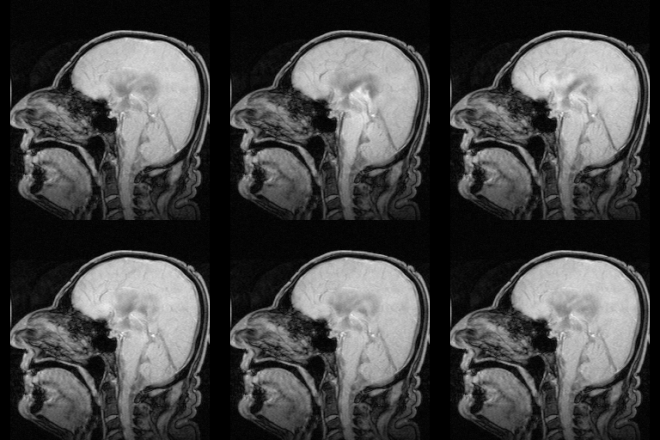 MRI showing pulsation of CSF
Why Choose Naturopath Osteopath Clinic?
At Naturopath Osteopath Clinic, our experienced practitioners are trained in both Cranial Sacral Therapy and Applied Kinesiology. We take a holistic, integrative approach that considers your entire health profile—mind, body, and spirit. Our goal is to uncover root causes and facilitate natural healing using safe and effective methods.
Frequently Asked Questions (FAQs)
Is Cranial Sacral Therapy painful?
No, CST uses very light touch and is deeply relaxing. Most patients feel calm, centered, and balanced after a session.
How is Applied Kinesiology different from chiropractic?
AK incorporates chiropractic principles but also includes muscle testing, nutritional assessment, and acupuncture concepts to provide a broader diagnostic picture.
How long is a session?
Sessions usually last between 45 and 60 minutes, depending on the complexity of your case and care goals.
How many sessions will I need?
This varies depending on the individual, their condition, and overall health goals. Some feel relief after just one session, while others may require ongoing care.
Can children and babies receive CST or AK?
Yes, both therapies are gentle and safe for children and infants, often used to support issues such as colic, latch difficulties, sleep disruptions, and developmental delays.
Do I need a referral to book a session?
No referral is needed. You can contact us directly to schedule your appointment.
Book a Session Today
If you’re ready to take a proactive step toward wellness with Cranial Sacral Therapy or Applied Kinesiology, book your consultation with Naturopath Osteopath Clinic today.
Osteopathic Pain Management
Hands-on, non-invasive care for pain relief and mobility restoration. Whether you're dealing with back pain, joint discomfort, or postural strain, osteopathic manual therapy targets the root cause—improving circulation, reducing tension, and enhancing the body’s natural healing response.

Osteopathic Systemic Dysfunction and Problems
Address systemic dysfunctions affecting circulation, digestion, respiration, and neurological balance. Through gentle manual techniques, we support the body’s interconnected systems—restoring function, reducing chronic symptoms, and improving overall physiological harmony.
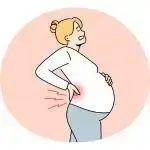
Pregnancy
Offers gentle, hands-on care to support the changing body throughout each trimester. We help relieve back pain, pelvic discomfort, postural strain, and prepare the body for smoother labour and recovery—all while promoting balance and well-being for both mother and baby.
Ear, Nose and Throat Problems
ENT issues focus on improving drainage, circulation, and structural alignment. Gentle techniques may help alleviate chronic sinusitis, ear infections, congestion, jaw tension, and related headaches by encouraging natural healing and restoring cranial-sacral balance.

Pediatric Osteopathy (Babies and Children)
Pediatric, babies and children uses gentle, hands-on techniques to support healthy development and address issues such as colic, reflux, sleep disturbances, birth trauma, and postural imbalances. Pediatric osteopathy promotes natural alignment and optimal function in growing bodies.
Respiratory Illness
Supports the respiratory system by enhancing chest mobility, improving diaphragm function, and promoting lymphatic drainage. This hands-on approach can help relieve symptoms associated with asthma, bronchitis, sinusitis, and other respiratory conditions by encouraging better breathing and reducing congestion.