Babies Birth Trauma – Pediatric Osteopathy
Birth is a miraculous process, but it can sometimes be physically stressful for newborns. During labor and delivery, babies may experience compressions, strains, or mechanical pressures that affect their cranial bones, spine, and delicate tissues. These subtle dysfunctions are often referred to as birth trauma, which may contribute to various issues in infancy, such as colic, difficulty latching, sleeping problems, or irritability.
Understanding Birth Trauma in Infants
Common causes of birth trauma can include:
- Long or difficult labor
- Use of forceps or vacuum extraction
- Cesarean section (C-section) delivery
- Breech or abnormal fetal positioning
- Rapid or very slow deliveries
- Umbilical cord complications
Symptoms of Birth Trauma in Babies
Although not always immediately visible, signs of birth trauma may include:
- Head shape irregularities (plagiocephaly or flat spots)
- Fussiness or excessive crying
- Feeding or latching difficulties
- Colic or digestive discomfort
- Favoring one side of the head or body
- Sleeping issues or restlessness
- Tightness in limbs or neck (torticollis)
How Osteopathy Can Help
Osteopathy offers a gentle, non-invasive approach to assess and assist the musculoskeletal and craniosacral systems in newborns. Using refined palpation techniques, Naturopath Osteopath Clinic practitioners can detect areas of tension or restriction in your baby’s body that may stem from birth trauma.
Benefits of Pediatric Osteopathy for Birth Trauma
- Promotes natural alignment and mobility of cranial bones
- Improves latching and feeding function
- Reduces symptoms of colic and gas
- Supports proper nervous system regulation
- Enhances restful sleep
- Encourages calm behavior and emotional soothing
What to Expect During Sessions?
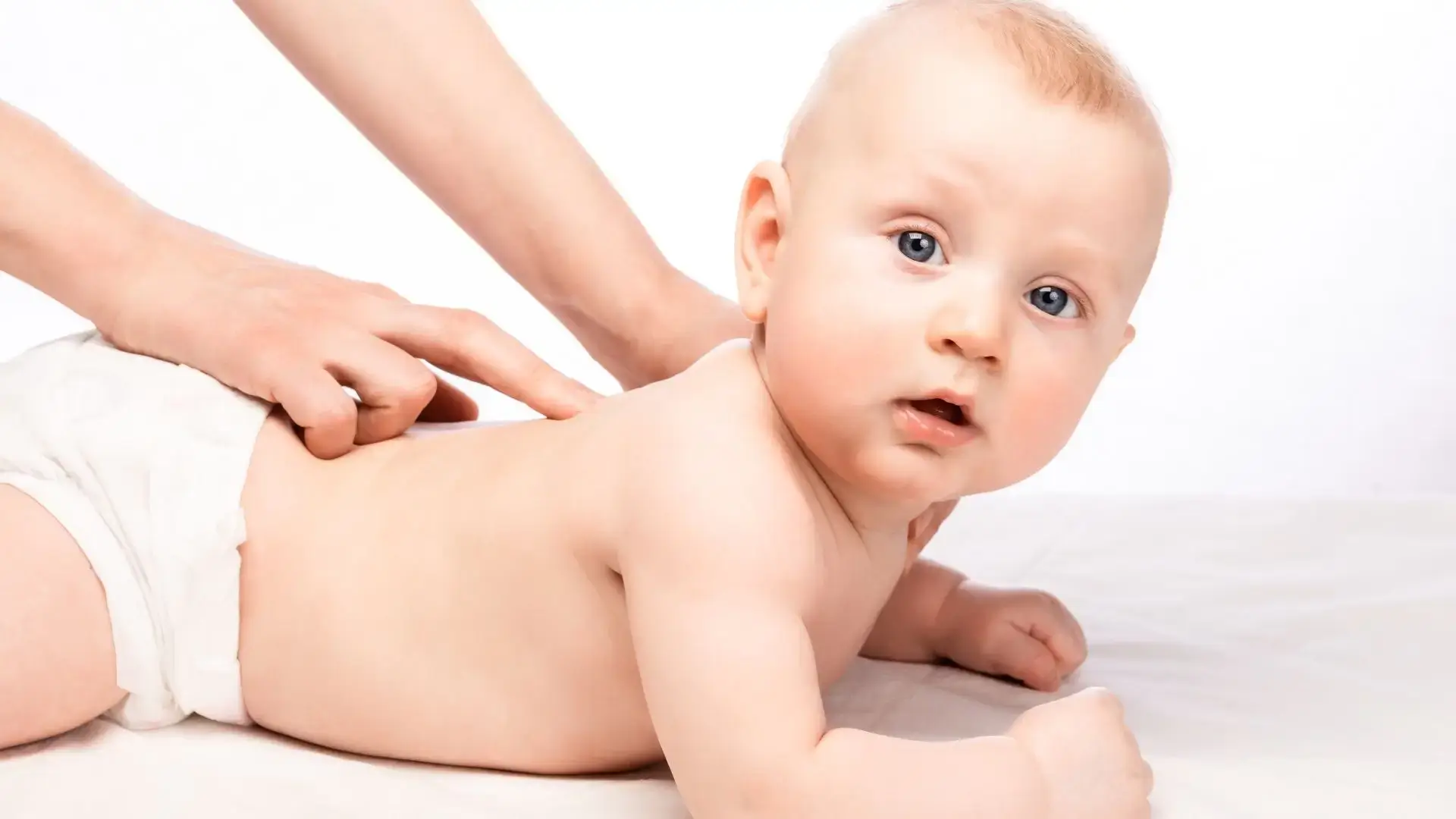
Osteopathic sessions for babies are very gentle and typically take place with the baby lying on a parent’s lap or in a comfortable position. The osteopath uses light touch to evaluate motion in the skull, spine, diaphragm, and limbs. Sessions are tailored to your infant’s comfort and may last 30–45 minutes depending on the baby’s tolerance and condition.
Post-Birth Conditions Supported with Osteopathy
- Plagiocephaly (flat head syndrome)
- Torticollis
- Reflux and digestive discomfort
- Feeding and sucking difficulties
- Birth injuries or trauma
- Breathing difficulties or congestion
- Delayed motor milestones
Why Choose Naturopath Osteopath Clinic?
At Naturopath Osteopath Clinic, we understand how delicate your baby’s body is. Our pediatric osteopaths are trained to identify and address even the subtlest restrictions that may hinder your child’s comfort or development. We believe in working with families to ensure each baby gets the best start in life.
Frequently Asked Questions (FAQs)
Is osteopathy safe for newborns?
Yes. Osteopathy for babies uses extremely gentle, hands-on techniques that are safe and non-invasive. Sessions are always tailored to your baby’s needs and tolerance.
How many sessions does my baby need?
This depends on the nature and severity of the trauma or symptoms. Some babies benefit from 2–3 sessions, while others may require more frequent monitoring and care.
Will my baby cry during the appointment session?
Babies may sometimes fuss, especially during the initial part of a session. However, many find the appointment sessions soothing and may fall asleep during or shortly after the appointment.
Do I need a referral?
No referral is needed to see an osteopath. You can book an appointment directly with our clinic by visiting our contact page.
Schedule an Appointment
If you’re concerned about your baby’s comfort or development following birth, consider a consultation at Naturopath Osteopath Clinic. Our team is here to help support your child’s growth and well-being through gentle, effective osteopathic care.