Visceral Manipulation Therapy, Osteopathy Clinic, Mississauga
At Mississauga Osteopathy Clinic, our experienced osteopathy practitioners specialize in providing tailored Visceral Manipulation Therapy and other Local Mississauga Osteopathy Treatments to address your unique needs, promoting a holistic approach to health and wellness. Osteopaths use gentle, manual manipulation to realign the underlying structures and the surrounding fascia (connective tissue).
Visceral Manipulation Therapy focuses on the mobility of organs within the body. It is based on the belief that healthy function and structural integrity of one’s body depend on the proper motion and stability of the organs. This therapy involves gentle manipulations of the body to improve organ mobility, release tensions, boost blood flow, enhance the organ’s ability to operate, and restore balance in the body.
Practitioners use a range of techniques such as soft tissue massage, positional release, myofascial release, and passive stretching to improve blood flow, reduce pain, improve digestive systems, and promote overall wellness. Visceral Manipulation can help in relieving a variety of symptoms associated with chronic conditions like fibromyalgia and digestive disorders. It is also commonly used for treating musculoskeletal problems such as joint pain or Sciatica.
What is Visceral Manipulation Therapy?
The focus of visceral manipulation is the internal organs and the musculoskeletal system. A person’s deep structures tighten as a defence mechanism if they are subjected to tension or stress.
Tissues and organs may be damaged when the force of a hit, such as from a collision, travels through the body at high speed.
Frequently, a condition in an unrelated region is the root cause of movement and discomfort in the affected area. If you’re experiencing neck discomfort, it might be because of issues in your upper ribs or cervical vertebrae, for instance.
One further situation where the liver is the source of a problem is when persistent stress has an adverse impact on the lungs.
Physical Adhesions and Scar Tissue?
Viscera in your chest and stomach regulate your respiration, digestion, immunity, reproduction, and hormone response. The human body is an intricate network of specialised systems all working together for your well-being. Any disturbance in any of these systems causes the body to make adjustments in the others.
Swelling and scarring of the fascial network that protects and sustains surrounding organs may result from inflammation caused by sickness or trauma. If an organ shifts because of a particular trauma, such a fall, it may get “stuck,” resulting in impaired organ function and mobility.
Adhesions in the viscera may also be caused by surgeries, such as c-sections, drug side effects, or chemotherapy. The connective tissue under the skin of a surgical scar may bind to deeper tissues as it heals, resulting in a pattern of limitation that can be very extensive.
What is Viscera? Soft Tissue Organ
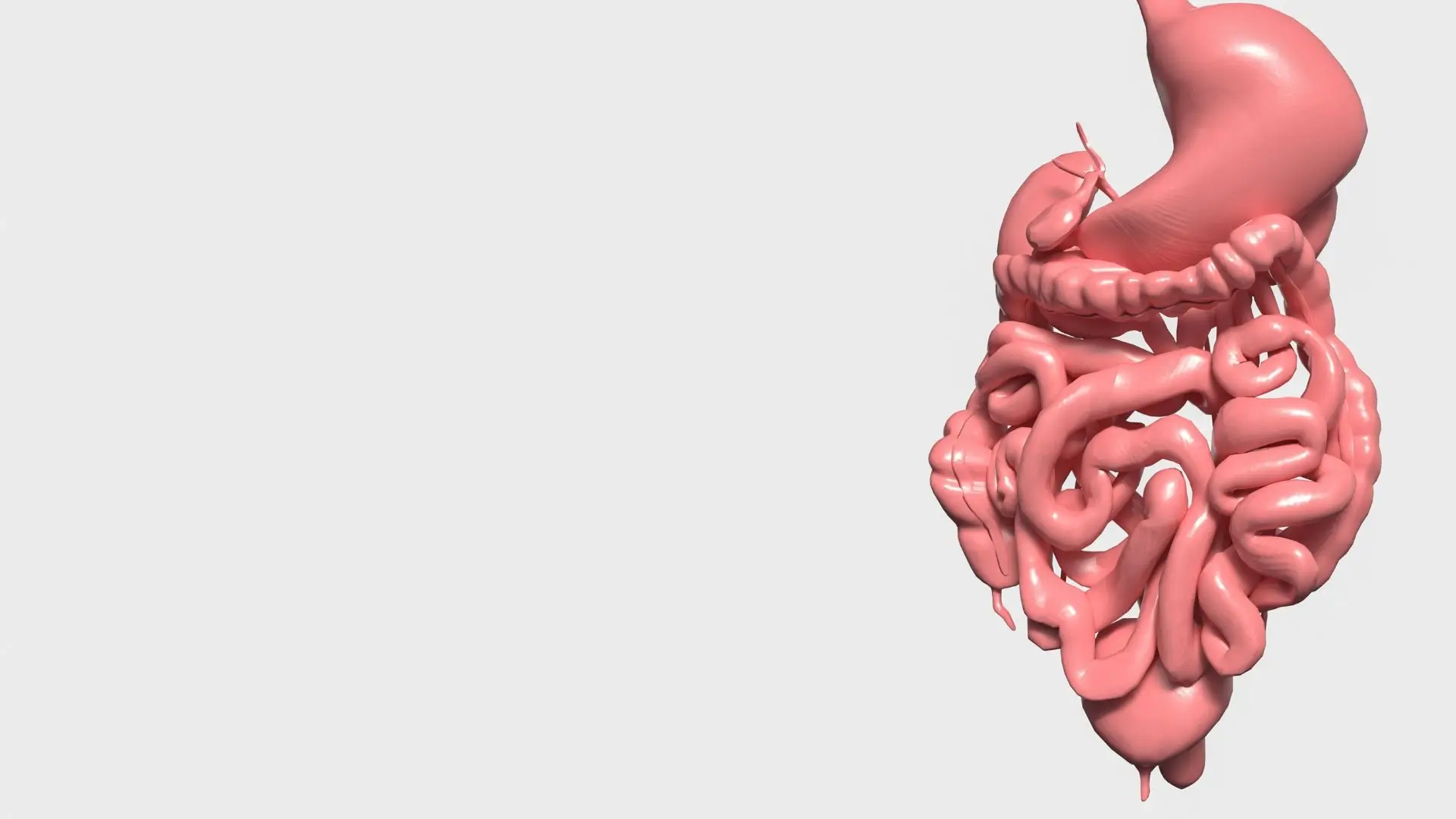
Viscera refer to the organs and the delicate membranes that surround them. Ligaments fasten these slippery surfaces to the spine and internal organs.
When you bend or twist, your organs that are connected to your spine will likewise shift. Your internal organs should be arranged such that you may twist and bend without any discomfort.
The diaphragm needs room to function properly as well. Your organs’ range of motion is regulated by the ligaments that hold them in place.
The mobility of your organs may be impaired due to infection, trauma, adhesions, or surgery.
When your internal organs are restricted, you may feel discomfort or stiffness elsewhere in your body.
Keep an eye out for problems when you start experiencing discomfort or sounds from your body that don’t seem to match your usual activities.
You’ll put extra stress on your body if you ignore these warning signals. The more your body is pushed to its limits, the more exhausted and sick you will feel.
You may tell whether there is a visceral constraint in your body by looking at your posture. A body’s stress points increase if an organ is restricted in its range of motion.
Your posture will start to change as your body reacts to the stress areas in your life. If you or someone else draws attention to the fact that you are not standing or sitting up straight, you may finally start to take it seriously. They may feel stiff or have trouble moving after straightening their posture.
If you hold tension at the front of your body, you’ll hunch over, and if you hold it on one side, you’ll twist to that side.
The term “body hugging the lesion” is often used in the field of Visceral Osteopathy to describe the process by which an individual’s body gathers itself around an injury.
How Visceral Manipulation Therapy Works?
Visceral Manipulation is the use of mild manual force. This force is utilised to assist restore mobility, motion, and tone of the connective tissue and your viscera.
An Osteopath at “Mississauga Naturopath Osteopath Clinic” will first determine where the patient’s internal organs are in their present state. Once the precise site is determined, the range of motion and the health of the adjacent ligaments and muscles may be assessed.
After careful consideration of all relevant criteria, a tailored therapeutic strategy will be developed to address the results.
These physical manipulations may also assist enhance the efficiency of the organs themselves.
It may also assist strengthen the structural integrity of the body and improve the systems in which your organs are housed.
By manipulating the organs manually, practitioners of visceral osteopathy may improve digestion, circulation, and overall health. One cannot generalise about the actions of an organ; each one is distinct.
Functional breakdown, discomfort, and even the onset of illness are all possible outcomes of interfering with the body’s natural rhythm. Stress on one organ may have a ripple effect across the body because of their interconnected nature and their need to move in relation to one another.
The treatment’s objectives are to reposition the affected organs, strengthen the ligaments, and enhance the flow of fluids. By stimulating the body’s own recuperative mechanisms, visceral osteopathy also prevents the onset of illness. Many medical issues, including:
Patients who undergo visceral osteopathy report a wide range of beneficial effects. When the expert manipulates internal organs, they have a significant effect on the patient’s bones and spine.
Many people report relief from preexisting conditions such as arthritis, back pain, and headaches as a consequence of therapy.
To speed up the healing process after an injury, visceral osteopathy may be used. The specialist procedures aid in the realignment of the spine, ligaments, and internal organs.
The holistic effects of visceral osteopathy allow it to treat a wide range of conditions. Many common physiological issues and chronic disorders may also benefit from its use.
Treatment using osteopathic methods is well tolerated by patients of all ages because of the mild nature of the methods themselves.