
Healthy Hormones, Brampton

Healthy Hormones and Hormonal Wellness Service
Hormones influence many important functions throughout the body, including energy, sleep, mood, metabolism, menstrual cycles, fertility, sexual health, stress response, bone health, and body composition.
Both women and men experience hormonal changes throughout life. Some changes are expected with age, pregnancy, menopause, or other life stages. Other changes may relate to thyroid disorders, polycystic ovary syndrome, metabolic concerns, medications, chronic stress, or other medical conditions.
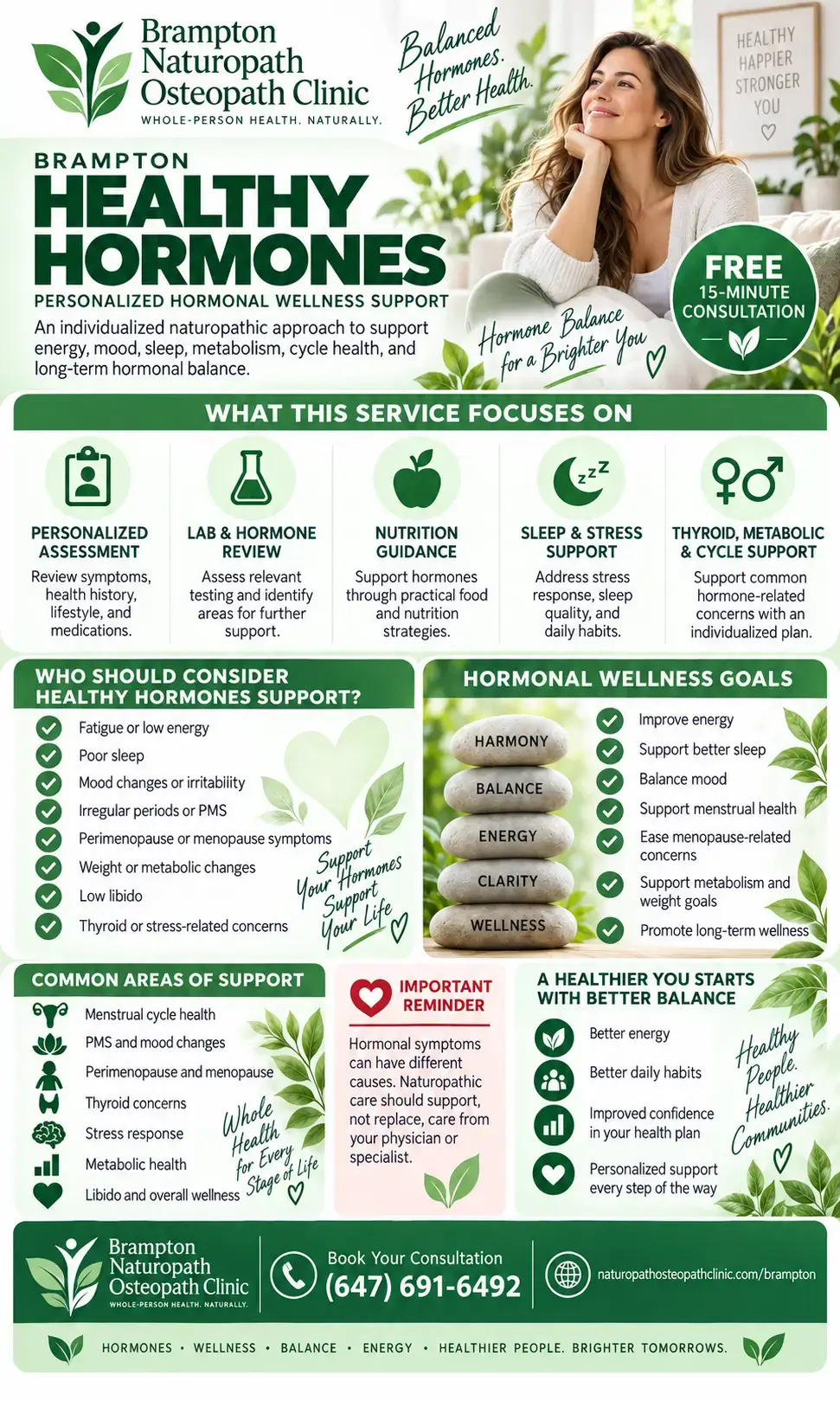
Our Healthy Hormones Service provides an individualized naturopathic approach to hormonal health. Your Naturopathic Doctor will review your symptoms, health history, medications, lifestyle, nutrition, sleep, stress, and relevant laboratory results to identify areas that require further investigation or support.
Schedule your free 15-minute consultation today to discuss your hormonal health concerns and learn more about the Healthy Hormones Service.
Take a Personalized Approach to Hormonal Health
Hormonal health is complex.
A symptom such as fatigue, weight gain, poor sleep, irregular periods, low libido, or mood changes does not point to one hormone alone.
A thorough assessment looks at the whole picture, including symptoms, laboratory findings, medications, nutrition, sleep, stress, lifestyle, and medical history.
Our Healthy Hormones Service provides individualized naturopathic support for women and men who want to better understand their hormonal health and address modifiable factors that influence overall wellness.
Schedule your free 15-minute consultation today with our Naturopathic Doctor to discuss your concerns and learn more about the Healthy Hormones Service.
Licensed Brampton Naturopathic Doctors


Understanding Hormonal Health
Hormones act as chemical messengers throughout the body.
They help regulate processes such as:
Menstrual cycles
Ovulation
Fertility
Sexual function
Mood
Sleep
Stress response
Blood sugar
Metabolism
Bone health
Muscle mass
Body temperature
Appetite
Energy
Hormonal symptoms often overlap with other health conditions. For this reason, proper assessment matters before assuming hormones are the cause.
Hormones Commonly Assessed in Women
Depending on symptoms and medical history, hormone-related assessment in women may include consideration of:
Estrogen
Progesterone
Testosterone
Follicle-stimulating hormone, or FSH
Luteinizing hormone, or LH
Prolactin
Thyroid hormones
Cortisol
DHEA-S
Insulin
Testing should reflect your symptoms, menstrual cycle stage, age, medications, and reproductive goals.
Hormones Commonly Assessed in Men
Hormonal assessment in men may include:
Testosterone
Free testosterone
Sex hormone-binding globulin
Luteinizing hormone
Follicle-stimulating hormone
Prolactin
Thyroid hormones
Cortisol
DHEA-S
Blood sugar markers
Symptoms alone do not confirm low testosterone or another hormonal disorder.
Laboratory testing and clinical assessment help guide next steps.
Female Hormone Testing
Women experiencing menstrual, fertility, menopausal, or other hormone-related concerns may benefit from appropriate testing when clinically indicated.
A Female Hormone Panel may help assess hormone patterns alongside symptoms and medical history.
Your naturopathic doctor may review:
Menstrual cycle length
Menstrual regularity
Ovulation
Heavy bleeding
Painful periods
Premenstrual symptoms
Menopausal symptoms
Fertility history
Medications
Contraceptive use
The timing of testing may matter depending on the hormones being assessed.
Male Hormone Testing
Men experiencing changes in libido, sexual function, muscle mass, energy, or other hormone-related symptoms may require a Male Hormone Panel or other appropriate investigations.
Your assessment may include:
Sexual health history
Energy levels
Sleep
Weight changes
Exercise
Medications
Fertility concerns
Mood
Medical conditions
Low testosterone should receive proper medical evaluation before treatment decisions are made.
Hormonal Changes in Women
Women experience several natural hormonal transitions throughout life.
These include:
Puberty
Menstrual cycling
Pregnancy
Postpartum changes
Perimenopause
Menopause
Symptoms vary widely between individuals.
Some women experience few symptoms, while others experience significant changes that affect daily life.
Common Hormone-Related Symptoms in Women
Symptoms may include:
Irregular menstrual cycles
Heavy periods
Painful periods
Premenstrual mood changes
Breast tenderness
Bloating
Fluid retention
Headaches
Fatigue
Sleep disturbance
Hot flashes
Night sweats
Vaginal dryness
Reduced libido
Acne
Changes in hair growth
Weight changes
Mood changes
Irritability
Anxiety
Difficulty concentrating
These symptoms may have hormonal or non-hormonal causes.
A full assessment helps identify what deserves further investigation.
Hormonal Changes in Men
Men also experience hormonal changes with age and health status.
Testosterone levels often change gradually over time.
Symptoms associated with low testosterone may include:
Reduced libido
Erectile difficulties
Reduced muscle mass
Reduced strength
Changes in body fat
Reduced bone density
Fatigue
Low mood
Difficulty concentrating
Fertility concerns
Several medical conditions and medications produce similar symptoms, so testing is important before assuming testosterone deficiency.
Menstrual Cycle Health
The menstrual cycle provides useful information about hormonal and reproductive health.
Your naturopathic doctor may review:
Cycle length
Bleeding duration
Flow
Pain
Ovulation
Premenstrual symptoms
Spotting
Missed periods
Cycle irregularity
Significant changes in menstrual patterns should receive proper assessment.
PMS and Premenstrual Symptoms
Premenstrual symptoms commonly occur before menstruation.
Symptoms may include:
Mood changes
Irritability
Breast tenderness
Headaches
Bloating
Fatigue
Food cravings
Sleep changes
Some women experience symptoms severe enough to interfere with work, relationships, or daily activities.
Your naturopathic doctor may assess diet, sleep, stress, nutrient status, medications, and menstrual patterns as part of a broader plan.
Heavy Menstrual Bleeding
Heavy menstrual bleeding may contribute to fatigue and iron deficiency.
Possible causes include:
Fibroids
Hormonal changes
Bleeding disorders
Certain medications
Thyroid conditions
Perimenopause
Other gynecological conditions
Heavy bleeding requires appropriate medical assessment, especially when it causes dizziness, weakness, or signs of anemia.
Painful Periods
Menstrual pain is common, but severe pain deserves further evaluation.
Pain may relate to conditions such as:
Primary dysmenorrhea
Endometriosis
Fibroids
Adenomyosis
Ovarian concerns
Treatment depends on the cause rather than hormone balance alone.
Polycystic Ovary Syndrome
Polycystic ovary syndrome, or PCOS, is a hormonal and metabolic condition that may affect:
Menstrual cycles
Ovulation
Fertility
Acne
Hair growth
Weight
Insulin sensitivity
Naturopathic support may focus on nutrition, physical activity, sleep, stress, and metabolic health alongside medical care.
Endometriosis
Endometriosis involves tissue similar to the uterine lining growing outside the uterus.
Symptoms may include:
Pelvic pain
Painful periods
Pain during intercourse
Fertility concerns
Bowel or bladder symptoms
Endometriosis requires proper medical diagnosis and management.
Naturopathic care may provide supportive strategies for nutrition, lifestyle, and symptom management.
Uterine Fibroids
Fibroids are noncancerous growths of the uterus.
They may contribute to:
Heavy bleeding
Pelvic pressure
Pain
Frequent urination
Fertility concerns
Management depends on fibroid size, location, symptoms, age, and reproductive goals.
Ovarian Cysts
Ovarian cysts are common and often resolve without treatment.
Some cysts cause:
Pelvic pain
Pressure
Irregular bleeding
Bloating
Persistent, large, or painful ovarian cysts require medical assessment.
Sudden severe pelvic pain should receive urgent evaluation.
Perimenopause and Menopause
Perimenopause refers to the transition leading into menopause.
Hormonal fluctuations during this stage often affect:
Menstrual regularity
Hot flashes
Night sweats
Sleep
Mood
Vaginal comfort
Sexual function
Body composition
Your naturopathic doctor may help review lifestyle, nutrition, sleep, stress, bone health, cardiovascular health, and available treatment options.
Hot Flashes and Night Sweats
Hot flashes and night sweats are common during perimenopause and menopause.
They often affect sleep and quality of life.
Your plan may include a review of:
Alcohol
Caffeine
Stress
Sleep
Room temperature
Diet
Medications
Menopausal treatment options
Persistent or severe symptoms deserve individualized medical assessment.
Thyroid Health
Thyroid hormones influence metabolism, temperature regulation, energy, digestion, mood, heart rate, and many other functions.
Both underactive and overactive thyroid conditions may produce symptoms that resemble other hormonal concerns.
Hypothyroidism
An underactive thyroid may cause:
Fatigue
Cold intolerance
Constipation
Dry skin
Hair changes
Weight gain
Low mood
Menstrual changes
Difficulty concentrating
Diagnosis requires appropriate laboratory testing.
Hyperthyroidism
An overactive thyroid may cause:
Rapid heartbeat
Heat intolerance
Weight loss
Anxiety
Tremor
Sweating
Sleep problems
Frequent bowel movements
Hyperthyroidism requires medical management because untreated disease may lead to serious complications.
Stress Hormones and Cortisol
Cortisol plays an important role in the body’s stress response, blood sugar regulation, blood pressure, and metabolism.
Persistent stress may affect:
Sleep
Appetite
Energy
Mood
Digestion
Blood sugar
Daily habits
Symptoms commonly described as “adrenal fatigue” often have many possible causes.
Mainstream medical practice does not recognize adrenal fatigue as a formal diagnosis. Persistent fatigue should instead receive a broader assessment for conditions such as anemia, thyroid disease, sleep disorders, nutrient deficiencies, depression, infection, medication effects, or other medical causes.
DHEA and Hormonal Health
DHEA is a hormone produced primarily by the adrenal glands.
The body uses DHEA as a precursor in the production of certain sex hormones.
DHEA testing or supplementation is not appropriate for everyone.
Your healthcare provider should review hormone-sensitive conditions, medications, and laboratory findings before recommending DHEA.
Hormones, Anxiety, and Mood
Hormonal changes sometimes influence mood, but anxiety and depression have many possible causes.
Symptoms deserve a complete assessment rather than being attributed to hormones alone.
Your care plan may include support related to:
Sleep
Nutrition
Physical activity
Stress
Menstrual patterns
Thyroid function
Medications
Mental health care
Counselling, psychotherapy, or medical treatment may also form part of appropriate care.
Hormones and Sleep
Hormonal changes often affect sleep.
Common concerns include:
Difficulty falling asleep
Frequent waking
Early morning waking
Night sweats
Restless sleep
Daytime fatigue
Sleep problems may also relate to stress, sleep apnea, medications, caffeine, pain, or mental health concerns.
Your naturopathic doctor will review these factors during your assessment.
Hormones and Weight Changes
Hormones influence appetite, metabolism, blood sugar, fat distribution, and muscle mass.
Weight changes sometimes occur during:
Menopause
PCOS
Thyroid disease
Insulin resistance
Testosterone deficiency
Medication use
Hormonal assessment should form one part of a broader evaluation that also considers nutrition, activity, sleep, stress, and medical history.
Hormones and Fertility
Hormonal health plays an important role in ovulation, sperm production, menstrual cycles, and reproductive function.
Fertility assessment may include:
Menstrual history
Ovulation
Testosterone
Thyroid function
Prolactin
Other reproductive hormones
Metabolic health
Partner assessment
Naturopathic care may support nutrition and lifestyle while fertility specialists manage medical fertility treatment when needed.
Nutrition and Hormonal Health
Nutrition supports many processes involved in hormone production and metabolism.
Your naturopathic doctor may review:
Protein intake
Healthy fats
Fibre
Fruit and vegetable intake
Blood sugar balance
Alcohol
Caffeine
Meal timing
Nutrient deficiencies
Dietary recommendations should reflect your individual health needs rather than follow a universal “hormone balancing” diet.
Physical Activity
Regular physical activity supports:
Insulin sensitivity
Cardiovascular health
Muscle mass
Bone health
Sleep
Stress management
Weight management
Your activity plan should reflect your current health, fitness level, and goals.
Sleep and Hormone Regulation
Sleep supports normal endocrine and metabolic function.
Poor sleep may affect:
Cortisol
Blood sugar regulation
Appetite
Energy
Mood
Testosterone
Improving sleep often forms an important part of a hormonal wellness plan.
Supplements and Herbal Products
Some patients use herbs or supplements marketed for hormone balance.
These products require care.
Certain supplements interact with:
Hormonal medications
Birth control
Fertility medications
Thyroid medication
Blood thinners
Antidepressants
Cancer treatments
Some products are inappropriate for people with hormone-sensitive medical conditions.
Your naturopathic doctor should review your medications and medical history before recommending supplements.
Hormone Therapy and Prescription Medication
Some hormonal conditions require prescription medication or hormone therapy.
Examples include:
Thyroid disease
Menopause
Low testosterone
Fertility treatment
PCOS
Certain menstrual disorders
Do not stop or change prescribed hormone medication without discussing the change with the prescribing healthcare professional.
Conditions and Concerns We May Support
The Healthy Hormones Service may provide supportive naturopathic care for people experiencing:
Irregular menstrual cycles
PMS
Painful periods
Heavy menstrual bleeding
Perimenopause
Menopause
PCOS
Endometriosis
Fertility concerns
Thyroid-related symptoms
Sleep disturbances
Hormone-related mood changes
Low libido
Symptoms associated with low testosterone
Metabolic concerns
Stress-related symptoms
Some conditions require medical diagnosis and specialist care.
Hormone-Sensitive Cancers Require Medical Care
Breast, ovarian, uterine, and other hormone-sensitive cancers should not be described as conditions treated through “hormone balancing.”
These conditions require assessment and treatment from an oncology team.
Naturopathic care may sometimes provide supportive nutrition or lifestyle care alongside oncology treatment, with appropriate coordination and awareness of treatment interactions.
HPV and Cervical Dysplasia
HPV infection and cervical dysplasia require appropriate medical screening and follow-up.
Patients should continue:
Cervical screening
Recommended HPV testing
Colposcopy when indicated
Follow-up with their physician or gynecologist
Naturopathic care should not replace recommended cervical screening or treatment.
What to Expect From Your Hormonal Health Assessment
Your first appointment may include a detailed review of:
Current symptoms
Menstrual history
Fertility history
Sexual health
Menopause symptoms
Energy
Sleep
Mood
Weight changes
Diet
Physical activity
Stress
Medications
Supplements
Previous laboratory results
Family history
This information helps determine which concerns deserve further investigation.
Laboratory Testing
Testing depends on your symptoms.
Your healthcare provider may consider tests such as:
Estrogen
Progesterone
Testosterone
FSH
LH
Prolactin
Thyroid-stimulating hormone
Free thyroid hormones
DHEA-S
Cortisol
Blood glucose
Hemoglobin A1C
Iron
Vitamin B12
Vitamin D
Testing should have a clear clinical purpose.
Your Personalized Healthy Hormones Plan
Your plan may include recommendations related to:
Nutrition
Physical activity
Sleep
Stress management
Weight management
Blood sugar regulation
Menstrual health
Nutrient intake
Supplements when appropriate
Laboratory monitoring
Referral to another healthcare professional when needed
The plan will reflect your health history and specific symptoms.
When Should You Seek Medical Attention?
Some symptoms require prompt medical assessment.
Speak with a healthcare professional if you experience:
Severe or sudden pelvic pain
Heavy vaginal bleeding
Bleeding after menopause
A new breast lump
Unexplained weight loss
Severe heart palpitations
Persistent rapid heartbeat
Severe weakness
New neurological symptoms
Significant changes in menstrual patterns
Persistent erectile dysfunction
Symptoms that continue to worsen
Early assessment helps identify conditions that require medical treatment.
Related Articles:
- Naturopath
- Naturopathic Health – Frequently Asked Questions (FAQs)
- Naturopathic Treatment for Hormonal Imbalance
- Naturopathic Support for PCOS
- Naturopathic Support for Thyroid Health
- Naturopathic Treatment for IBS, Bloating and Digestive Problems
- Naturopathic Fertility Support
- Naturopathic Weight Loss and Metabolic Health
- Naturopathic Support for Anxiety, Depression, Stress and Sleep
- What Lab Tests Do Naturopathic Doctors Order?
Lab Tests
We offer a range of laboratory tests to help assess your health, identify possible imbalances, and provide useful information to guide your treatment plan.
Areas of Care
If you liked this content and found it to be informative