
5
(158)

Soft Tissue Therapy, Osteopathy

What is Soft Tissue Therapy?

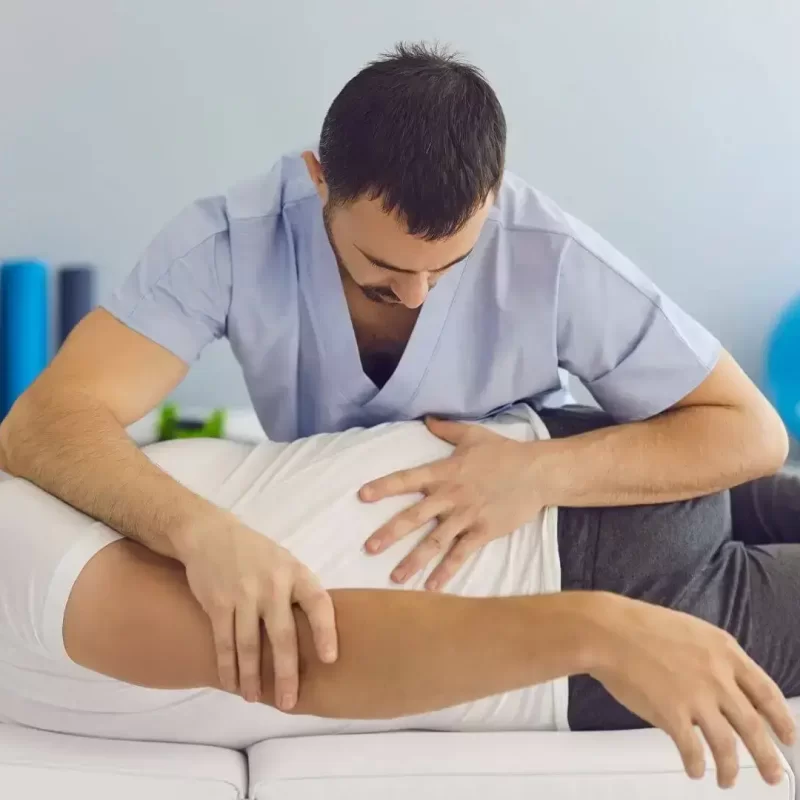
Soft tissue therapy is a core component of osteopathic care. It involves gentle, hands-on manipulation of the muscles, fascia, tendons, and ligaments to relieve pain, improve mobility, and enhance circulation. At Naturopath Osteopath Clinic, we use soft tissue therapy to release chronic tension, speed up healing, and improve overall function—whether for injury recovery, stress, or preventative care.

Benefits of Soft Tissue Osteopathy

Unlike deep massage or aggressive bodywork, osteopathic soft tissue therapy is targeted and adaptive. We aim to restore balance to the body by improving how muscles and connective tissues function together, promoting healing from within.

Benefits Include:

  • Relief from muscle tension and knots
  • Improved flexibility and joint range of motion
  • Faster recovery from sports injuries or strains
  • Reduction in chronic pain (back, neck, shoulders, hips)
  • Enhanced circulation and lymphatic drainage
  • Stress relief and nervous system regulation

Common Conditions Supported with Soft Tissue Therapy

  • Chronic neck and back pain
  • Muscle stiffness and spasms
  • Sports injuries and overuse syndromes
  • Postural strain from desk work or repetitive motions
  • Myofascial pain syndrome
  • Fibromyalgia and generalized muscular pain
  • Pre- and postnatal tension in women

Osteopathic Soft Tissue Techniques

Our osteopaths apply a variety of gentle techniques tailored to your needs. These methods are non-invasive, relaxing, and suitable for people of all ages—from athletes to seniors.

1. Myofascial Release

Releases tight fascia that can restrict motion and cause referred pain patterns.

2. Muscle Energy Technique (MET)

Uses the patient’s own muscle contractions to release tight areas and realign joints.

3. Strain-Counterstrain

Gently eases muscle spasms and tender points by positioning the body into positions of comfort.

4. Soft Tissue Stretching and Inhibition

Improves flexibility and releases stubborn muscular restrictions using rhythmic pressure and elongation techniques.

5. Lymphatic Drainage Support

Encourages detoxification and reduces swelling or congestion through soft, directional strokes.

Who Can Benefit from Soft Tissue Therapy?

  • Desk workers with neck and shoulder tension
  • Athletes managing overuse or soreness
  • Older adults seeking joint and mobility support
  • Post-surgical or post-injury recovery patients
  • People with chronic fatigue or stress-related pain

Integrating Naturopathic Support

Soft tissue therapy can be complemented by naturopathic care, including nutritional support for inflammation, lifestyle strategies for posture and stress, and therapeutic supplements for tissue repair and muscle recovery.

Suggested Add-Ons:

  • Magnesium and omega-3 supplementation
  • Anti-inflammatory diet planning
  • Herbal muscle relaxants and topical rubs
  • Exercise and stretching prescriptions

What to Expect During a Session

Your visit includes a detailed intake and assessment, followed by hands-on care targeting your areas of concern. Sessions are performed clothed, and all techniques are gentle and adaptive to your comfort level.

Care Components:

  • Palpation to assess soft tissue health
  • Manual therapy targeting specific muscle groups
  • Breathwork and nervous system support
  • Home exercise and ergonomic guidance

FAQs – Osteopathy & Soft Tissue Therapy

Is soft tissue osteopathy the same as massage?

No. While both involve manual therapy, osteopathy is more targeted and therapeutic—focused on restoring whole-body function, not just relaxation.

Will it hurt?

Techniques are typically very gentle. Some sensitivity may be felt in tender areas, but pain is not the goal. Most patients find sessions deeply relaxing.

How many sessions are needed?

This depends on your condition. Acute muscle strains may resolve in 1–2 sessions, while chronic tension might need 4–6 visits for sustained relief.

Is it covered by insurance?

Osteopathic soft tissue therapy may be covered under extended health plans that include manual osteopathy. Check your provider for details.

Naturopath Osteopath Clinic Manual Osteopathic Services

osteopathic pain management osteopathy

Osteopathic Pain Management

Hands-on, non-invasive care for pain relief and mobility restoration. Whether you're dealing with back pain, joint discomfort, or postural strain, osteopathic manual therapy targets the root cause—improving circulation, reducing tension, and enhancing the body’s natural healing response.

systemic dysfunction and problems osteopathy

Osteopathic Systemic Dysfunction and Problems

Address systemic dysfunctions affecting circulation, digestion, respiration, and neurological balance. Through gentle manual techniques, we support the body’s interconnected systems—restoring function, reducing chronic symptoms, and improving overall physiological harmony.

pregnancy osteopathy

Pregnancy

Offers gentle, hands-on care to support the changing body throughout each trimester. We help relieve back pain, pelvic discomfort, postural strain, and prepare the body for smoother labour and recovery—all while promoting balance and well-being for both mother and baby.

ear nose and throat problems osteopathy

Ear, Nose and Throat Problems

ENT issues focus on improving drainage, circulation, and structural alignment. Gentle techniques may help alleviate chronic sinusitis, ear infections, congestion, jaw tension, and related headaches by encouraging natural healing and restoring cranial-sacral balance.

pediatric osteopathy osteopathy

Pediatric Osteopathy (Babies and Children)

Pediatric, babies and children uses gentle, hands-on techniques to support healthy development and address issues such as colic, reflux, sleep disturbances, birth trauma, and postural imbalances. Pediatric osteopathy promotes natural alignment and optimal function in growing bodies.

respiratory illness osteopathy

Respiratory Illness

Supports the respiratory system by enhancing chest mobility, improving diaphragm function, and promoting lymphatic drainage. This hands-on approach can help relieve symptoms associated with asthma, bronchitis, sinusitis, and other respiratory conditions by encouraging better breathing and reducing congestion.

If you liked this content and found it to be informative

We are sorry that this post was not useful for you!

Let us improve this post!

Tell us how we can improve this post?