Strain-counterstrain massage, also known as positional release therapy, is a type of manual therapy that involves positioning a person’s body into a comfortable, relaxed position and applying gentle pressure to specific points on the body. The goal of strain-counterstrain massage is to reduce muscle spasms and tension, increase range of motion, and improve overall function and mobility.
During a strain-counter-strain massage session, the therapist at Osteopathy Clinic will identify areas of muscle tension or spasm and gently stretch the muscle into a position of comfort or “ease.” The therapist will then apply gentle pressure to specific points on the body, called “Jones points,” which are believed to be associated with particular muscles or groups of muscles. The therapist may hold this position for a few minutes, allowing the muscle to relax and release any tension.
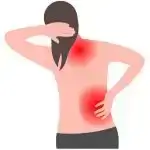
Strain-counterstrain massage is often used to support a variety of musculoskeletal conditions, including back pain, neck pain, and headaches. It may also be helpful for individuals with chronic pain or injuries, as well as those who have undergone surgery. This technique is frequently integrated with our Experienced Osteopath Services to provide a more comprehensive approach to addressing pain and restoring function.
Some people may find strain-counterstrain massage to be a helpful complement to other forms of care, such as physical therapy or chiropractic care.
It is important to note that strain-counterstrain massage should be performed by a trained and licensed therapist. If you are interested in trying strain-counterstrain massage, it is important to speak with an Osteopath healthcare professional to determine if it is appropriate for your specific needs and health concerns.
There are several potential benefits of strain-counterstrain therapy, including:
- Reducing muscle spasms and tension: Strain-counterstrain therapy can help relax and release tension in specific muscles or muscle groups, which may reduce muscle spasms and discomfort.
- Improving range of motion: By releasing muscle tension, strain-counterstrain therapy may help improve flexibility and range of motion in affected areas of the body.
- Relieving pain: By reducing muscle spasms and tension, strain-counterstrain therapy may help alleviate pain associated with musculoskeletal conditions such as back pain, neck pain, and headaches.
- Improving function and mobility: Strain-counterstrain therapy may help improve overall function and mobility by reducing muscle tension and improving range of motion.
- Complementing other care: Strain-counterstrain therapy may be used as a complementary care to other forms of care, such as physical therapy or chiropractic care, to help alleviate musculoskeletal pain and improve function.
It is important to note that the effectiveness of strain-counterstrain therapy may vary depending on the individual and their specific condition. It is always a good idea to speak with a healthcare professional to determine if strain-counterstrain therapy is appropriate for your needs and health concerns.
There are several techniques that a therapist may use during a strain-counterstrain therapy session. These techniques may include:
- Identifying muscle tension or spasm: The therapist will assess the person’s body to identify areas of muscle tension or spasm. This may involve palpating the muscle or asking the person to perform certain movements to help identify areas of discomfort.
- Stretching the muscle into a position of ease: Once the therapist has identified an area of muscle tension or spasm, they will gently stretch the muscle into a position of comfort or “ease.” The therapist may use their hands or other tools, such as a foam roller or therapy ball, to stretch the muscle.
- Applying gentle pressure to Jones points: The therapist will then apply gentle pressure to specific points on the body, called “Jones points,” which are believed to be associated with particular muscles or groups of muscles. The therapist may use their hands or other tools, such as a foam roller or therapy ball, to apply pressure to the Jones points.
- Holding the position for a few minutes: The therapist will hold the stretched position for a few minutes, allowing the muscle to relax and release any tension.
- Repeating the process as needed: The therapist may repeat the process on other muscles or muscle groups as needed.
It is important to note that strain-counterstrain therapy should be performed by a trained and licensed therapist. If you are interested in trying strain-counterstrain therapy, it is important to speak with a healthcare professional to determine if it is appropriate for your specific needs and health concerns.