Cranialsacral Therapy is a technique taught in Applied Kinesiology based upon Cranial Osteopathy technique practiced by Osteopathy practitioners at “Toronto Naturopath Osteopath Clinic”, which was discovered by Osteopath Dr. William Sutherland after he had an impressive knowledge while taking a look at the specialized articulations of cranial bones. Unlike popular belief Dr Sutherland understood that Cranial joints were, in fact, made to tiny levels of movement.
Later on, between 1975 to 1983 at Michigan State University, osteopath John E. Upledger pioneered and developed techniques into what he called ‘CranioSacral Therapy’, a powerful yet simplified system of care. John E. Upledger (osteopath) was serving as a clinical researcher and Professor of Biomechanics at Michigan State University.
Like Osteopathy Service, Cranialsacral Therapy seeks to rejuvenate the natural balanced motion found between the bones of the head and also the sacrum. The cranial bones and also sacrum move in various directions when we take in and in opposite directions when we take a breath out.
The objective of this is to help the blood circulation of the cerebrospinal fluid (CSF) throughout the main nerves. As well as some recommended that cerebrospinal fluid (CSF) circulation along the cranial nerves and also spinal nerve roots allow it into the lymphatic channels. Recovering normal cranial-sacral rhythm makes it possible for the body to operate optimally as well as could relieve a wide array of excruciating and inefficient problems within the body.
To learn more on cranial- sacral care, cerebrospinal liquid, cranial nerves, please see:
MRI showing pulsation of CSF
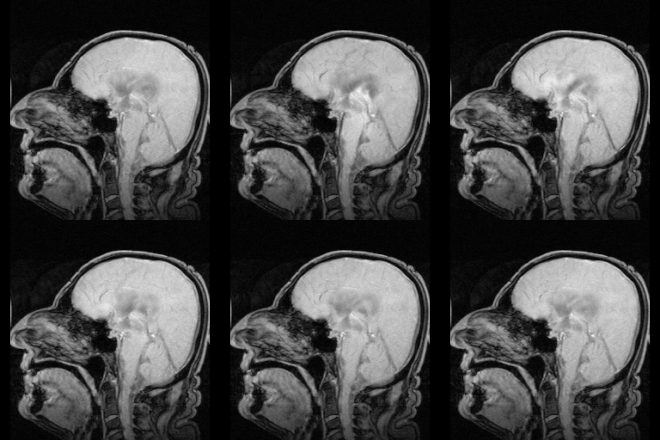 MRI showing pulsation of CSF
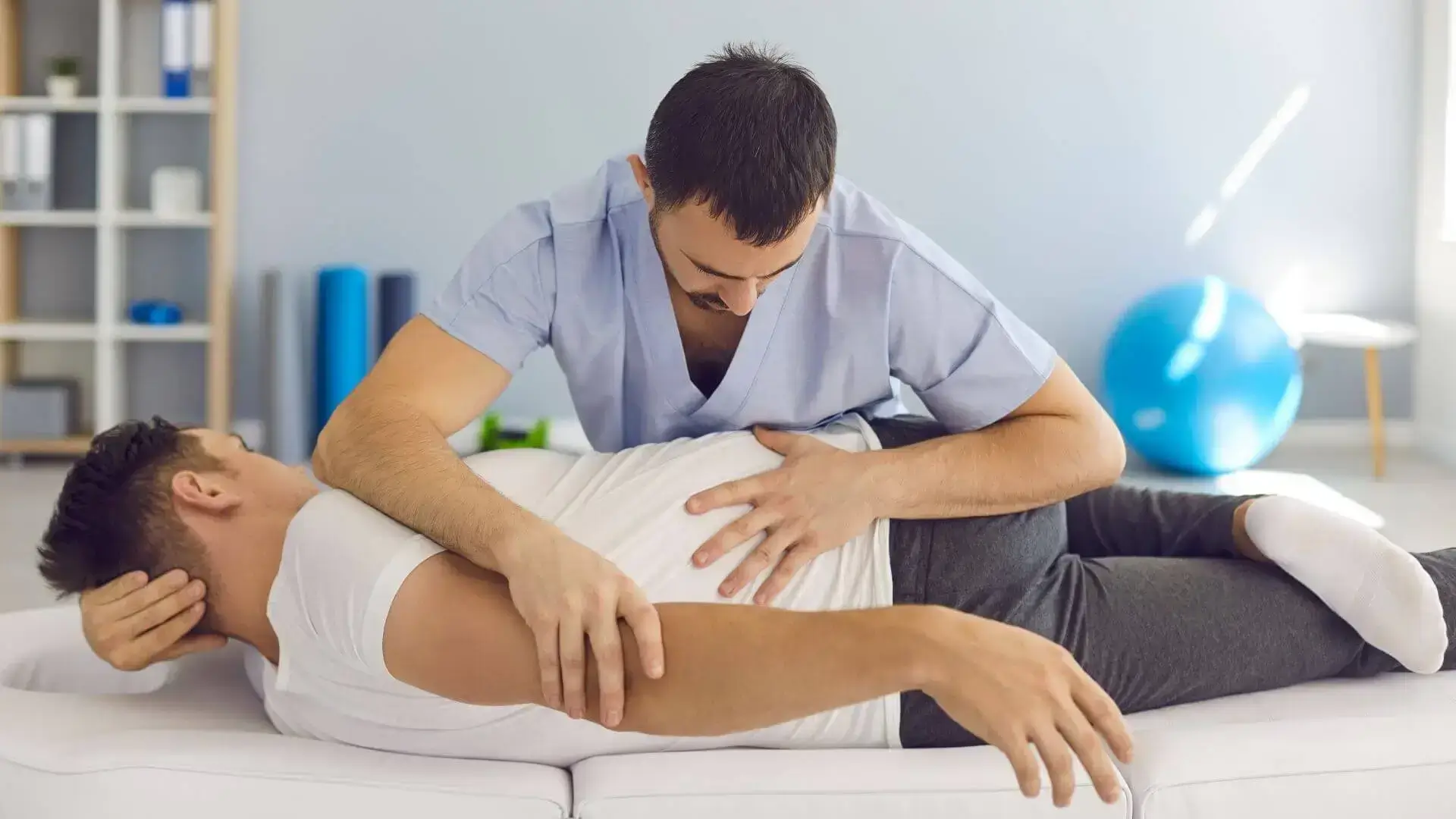
Utilizing a soft mild touch, release restraints in the craniosacral system to enhance the functioning of the central nervous system.
There are lots of reasons why the motion of the cranial and also the sacrum might have been disturbed.
For some, it can be triggered by the injury caused during birth. Considering that the bones are really flexible, typical normal movement and crying recovers the natural movement.
For some, it could have been triggered by an accidental bang to the head, a vehicle accident or falling. Jaw problems can likewise affect the Cranials as when we chew or clench our teeth, there are muscle tissues connected directly to the skull performing pull of the Temporalis muscle on the squamosal joints of the skull.
Dysfunction of the craniosacral activity can be seen in various conditions, even some triggered by the entrapment of cranial nerves as they exit the cranium, such as trigeminal neuralgia, migraines, migraine headaches, reduced back as well as disc troubles, basic weak point on one side of the body, problems with visual acuity, low or high blood pressure, allergies, hypochlorhydria, earaches, balance loss, tinnitus, dizziness and vertigo, recurring upper cervical (neck) problems, and scoliosis.
In applied kinesiology, there are strategies to locate the dysfunctions as well as to figure out if they can be fixed. The difference in muscle tissue strength when the individual is taking in or taking a breath out is one clue. The asymmetrical face is one more hint that there might be a problem. Or the doctor could observe what takes place to the stamina of a muscular tissue when she (or he) presses on particular Cranials or Joints.
Cranial-sacrum adjustments are quickly made as well as if can be integrated with the correction of accompanying spine disorder, muscle harmonizing and correct nutrition. It certainly have a long lasting impact.


Osteopath Pain Management
Hands-on, non-invasive care for pain relief and mobility restoration. Whether you're dealing with back pain, joint discomfort, or postural strain, osteopathic manual therapy targets the root cause—improving circulation, reducing tension, and enhancing the body’s natural healing response.
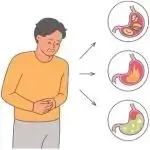
Osteopath Systemic Dysfunction and Problems
Address systemic dysfunctions affecting circulation, digestion, respiration, and neurological balance. Through gentle manual techniques, we support the body’s interconnected systems—restoring function, reducing chronic symptoms, and improving overall physiological harmony.
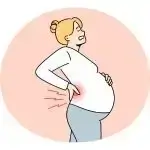
Pregnancy
Care for pregnancy offers gentle, hands-on care to support the changing body throughout each trimester. We help relieve back pain, pelvic discomfort, postural strain, and prepare the body for smoother labour and recovery—all while promoting balance and well-being for both mother and baby.
Ear, Nose and Throat Problems
ENT issues focus on improving drainage, circulation, and structural alignment. Gentle techniques may help alleviate chronic sinusitis, ear infections, congestion, jaw tension, and related headaches by encouraging natural healing and restoring cranial-sacral balance.
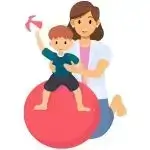
Pediatric Osteopathy (Babies and Children)
Pediatric, babies and children uses gentle, hands-on techniques to support healthy development and address issues such as colic, reflux, sleep disturbances, birth trauma, and postural imbalances. Pediatric osteopathy promotes natural alignment and optimal function in growing bodies.
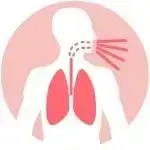
Respiratory Illness
Respiratory system by enhancing chest mobility, improving diaphragm function, and promoting lymphatic drainage. This hands-on approach can help relieve symptoms associated with asthma, bronchitis, sinusitis, and other respiratory conditions by encouraging better breathing and reducing congestion.