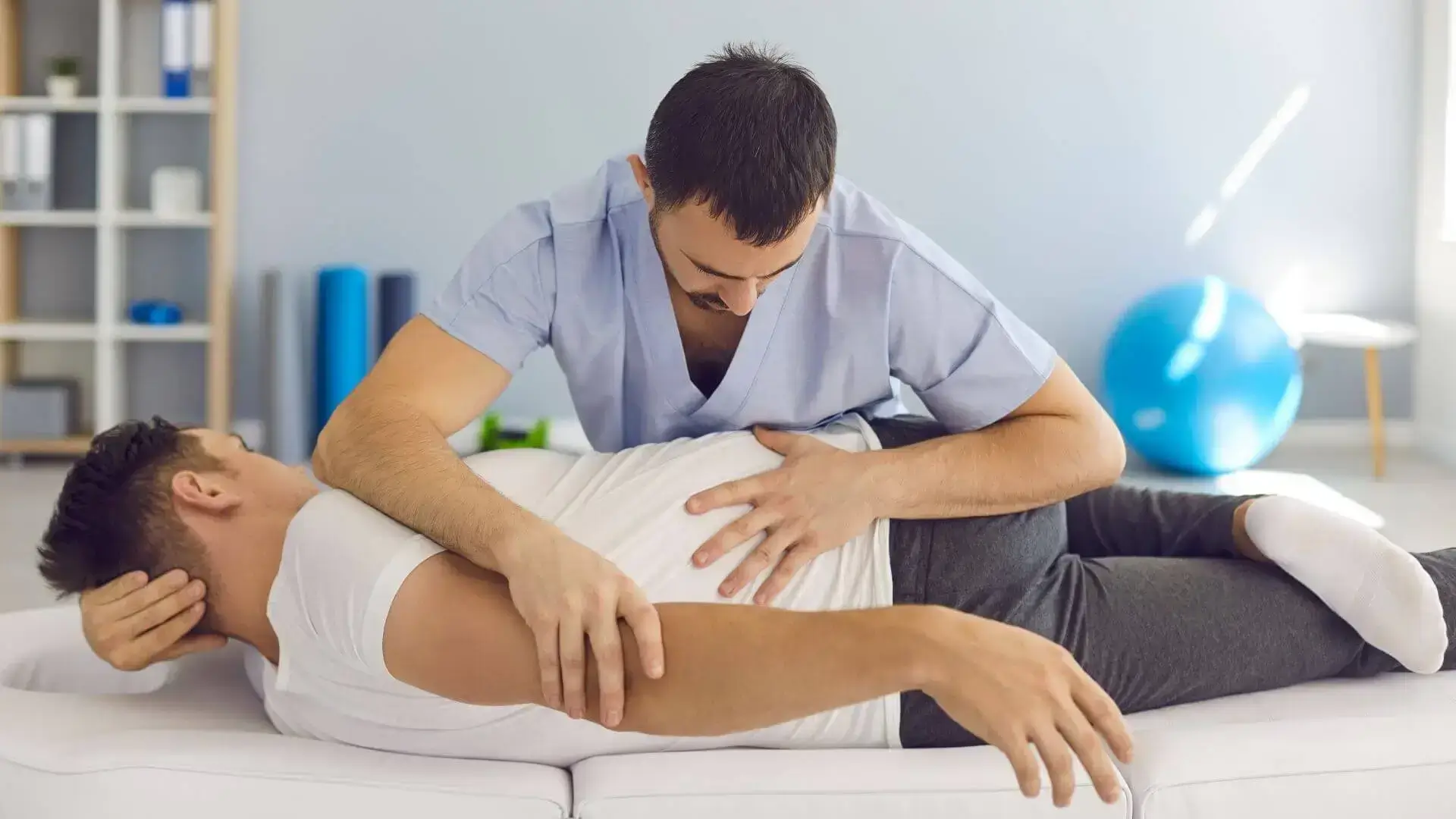
Osteopathy Treatment at “Toronto Naturopath Osteopath Clinic” focuses on supporting the musculoskeletal system, which includes the bones, muscles, and connective tissue. Our Clinic uses variety of techniques, such as stretching, massage, and manipulation of the joints, to support a wide range of conditions, including pain and arthritis.
Arthritis, Osteoarthritis Pain Care
Arthritis pain management may involve techniques to reduce inflammation and improve joint mobility. This may include gentle stretching, massage, and manipulation of the affected joints. Osteopath may also recommend lifestyle changes, such as maintaining a healthy weight and avoiding activities that put unnecessary stress on the joints.
Osteopathy at “Toronto Naturopath Osteopath Clinic” may involve techniques such as soft tissue massage and joint manipulation to relieve muscle tension and improve circulation. Osteopaths may also recommend stretches and exercises to help strengthen the muscles and improve flexibility.
It is important to note that osteopathy is not a replacement for conventional medical care, and it is always recommended to consult with a doctor before starting any new care. Additionally, the effectiveness of Osteopathy for Pain Management and arthritis may vary from person to person.
Arthritis Symptoms
Arthritis is a term used to describe a group of conditions that affect the joints, causing pain, stiffness, and swelling. The symptoms of arthritis can vary depending on the type of arthritis and the individual person, but some common symptoms include:
- Pain and stiffness in the joints, especially after periods of inactivity
- Swelling and tenderness in the joints
- Reduced range of motion in the affected joints
- Creaking or grating sounds when moving the joints
- Warmth and redness in the affected areas
If you think you may have arthritis, it is important to consult with a doctor for an accurate diagnosis and appropriate care plan.
How Osteopathic care for arthritis help manage joint pain?
An Osteopathic Practitioner, also known as an osteopath, is a healthcare professional who uses a variety of techniques, such as stretching, massage, and manipulation of the joints, to support a wide range of conditions, including pain and arthritis.
To help manage arthritic pain, an osteopath may use techniques such as soft tissue massage and joint manipulation to reduce inflammation and improve joint mobility. They may also recommend stretches and exercises to help strengthen the muscles and improve flexibility. Additionally, an osteopath may suggest lifestyle changes, such as maintaining a healthy weight and avoiding activities that put unnecessary stress on the joints, to help manage arthritic pain. It is important to note that the effectiveness of osteopathy for managing arthritic pain may vary from person to person. It is always recommended to consult with a doctor before starting any new care.
How Osteopathy can help Joint Stiffness and Arthritis Pain Relief?
Osteopathy manual therapy can help with arthritis pain relief by reducing inflammation and improving joint mobility through techniques such as stretching, massage, and manipulation of the affected joints. Osteopathic care may also help improve circulation and reduce muscle tension, which can further alleviate pain. Additionally, osteopaths may recommend lifestyle changes, such as maintaining a healthy weight and avoiding activities that put unnecessary stress on the joints, to help manage arthritis pain. It is important to note that the effectiveness of osteopathy for arthritis pain relief may vary from person to person. It is always recommended to consult with a doctor before starting any new care.
What is Osteoarthritis?
Osteoarthritis is a type of arthritis that is caused by the breakdown of the cartilage that cushions the joints. This can lead to pain, stiffness, and swelling in the affected joints, as well as a decrease in their range of motion. Osteoarthritis is the most common form of arthritis, and it typically affects the joints in the hands, knees, hips, and spine.
Risk factors for osteoarthritis include advancing age, obesity, previous joint injuries, and certain occupations or activities that put excessive stress on the joints. While there is no cure for osteoarthritis, care options include medication, physical therapy, and exercise to manage pain and improve joint function. In severe cases, surgery may be necessary to repair or replace the damaged joints.
What is the difference between Rheumatoid and Psoriatic type of Arthritis?
Rheumatoid arthritis and psoriatic arthritis are both types of chronic autoimmune arthritis, which means that they are caused by the immune system attacking the body’s own tissues. However, there are some key differences between the two conditions.
Rheumatoid arthritis is a condition in which the immune system attacks the lining of the joints, causing inflammation and pain. It typically affects the joints on both sides of the body, such as the wrists or knees, and can lead to joint deformity and disability if not assisted.
Psoriatic arthritis, on the other hand, is a type of arthritis that occurs in people with psoriasis, a chronic skin condition that causes red, scaly patches on the skin. In addition to joint pain and swelling, people with psoriatic arthritis may also experience nail changes, eye irritation, and fatigue. Unlike rheumatoid arthritis, which can affect any joint, psoriatic arthritis most commonly affects the joints in the fingers and toes, as well as the spine.
Both rheumatoid arthritis and psoriatic arthritis can be managed with medication and physical therapy, but they require different care approaches. It is important to consult with a doctor and your osteopathic practitioner for an accurate diagnosis and appropriate care plan.
How can osteopathy help with Osteoarthritis?
Osteopathy can help with osteoarthritis by reducing inflammation and improving joint mobility through techniques such as stretching, massage, and manipulation of the affected joints. Osteopathic care may also help improve circulation and reduce muscle tension, which can further alleviate pain associated with osteoarthritis. Additionally, osteopaths may recommend lifestyle changes, such as maintaining a healthy weight and avoiding activities that put unnecessary stress on the joints, to help manage the condition. It is important to note that the effectiveness of osteopathy for osteoarthritis may vary from person to person. It is always recommended to consult with a doctor before starting any new care.
Osteopaths in “Toronto Naturopath Osteopath Clinic” can help with osteoarthritis in any joint by using techniques such as stretching, massage, and manipulation to reduce inflammation and improve joint mobility. Osteopathic care may also help improve circulation and reduce muscle tension, which can further alleviate pain associated with osteoarthritis. However, the effectiveness of osteopathy for osteoarthritis may vary depending on the severity of the condition and the individual person. It is always recommended to consult with a doctor and osteopathic practitioner before starting any new care.