
Physiotherapy, Etobicoke
At Etobicoke Naturopath Osteopath Clinic, we offer personalized physiotherapy care designed to address a wide range of physical conditions and support long-term recovery. Our patient-centered approach focuses on relieving pain, rehabilitating injuries, and enhancing overall function using proven, evidence-based techniques.
Every care plan is uniquely tailored to meet your individual needs. We combine hands-on manual therapy, targeted therapeutic exercises, and advanced modalities—such as ultrasound and electrotherapy—to restore mobility, build strength, and improve your quality of life.
We believe in more than just symptom relief—we’re committed to empowering you with the knowledge and tools to actively manage your health and prevent future injuries. Whether you’re recovering from surgery, managing chronic pain, or overcoming a sports injury, our experienced physiotherapists are here to guide and support you on your journey to long-term wellness.

Physiotherapists:
We take a holistic approach to physiotherapy, focusing on both physical recovery and overall well-being. Our experienced team of physiotherapists offers a wide range of personalized care designed to relieve pain, restore mobility, and support long-term health.
We understand how chronic pain and physical limitations can affect your quality of life. That’s why we tailor each care plan to your specific needs—using techniques like soft tissue therapy, joint mobilization, and targeted therapeutic exercises to reduce inflammation, improve movement, and accelerate healing.
By combining evidence-based practices with compassionate care, we aim to restore function and help you regain control of your health. Whether you’re recovering from surgery, managing a chronic condition, or healing from an injury, we’re here to support you at every stage of your recovery.
At our clinic, physiotherapy goes beyond symptom relief—it’s about empowering you to lead a more active, balanced, and fulfilling life. Let’s work together to begin your journey toward lasting wellness and improved well-being.
Common Conditions Physiotherapy Can Help
Physiotherapy is a powerful tool for managing a wide range of common conditions that affect our daily lives and overall well-being. Whether you’re dealing with arthritis, which can cause joint stiffness and reduced mobility, or other chronic issues, targeted physiotherapy care can significantly reduce pain and enhance quality of life.
Musculoskeletal conditions such as muscle strains, tendonitis, and joint pain often interfere with everyday activities. Fortunately, with the guidance of experienced health professionals, personalized care plans can be created to reduce inflammation, restore flexibility, and improve movement.
For individuals recovering from joint replacement surgery, physiotherapy is essential to regaining strength, mobility, and independence. By focusing on gradual, guided rehabilitation, we help patients return to their daily routines safely and confidently.
Ultimately, physiotherapy supports both recovery and prevention—empowering you to move better, feel stronger, and live more fully.
Types of Physiotherapy Techniques - Mobilization and Massage
Exploring the diverse range of physiotherapy techniques empowers us to make informed choices about the most effective care for our unique needs. Physiotherapy offers a broad spectrum of approaches, each designed to address specific conditions and support the body’s natural healing process.
Manual therapy is a cornerstone of physiotherapy, involving hands-on techniques that help relieve pain, reduce tension, and improve joint mobility. Complementing this, massage therapy promotes relaxation and boosts circulation, easing muscle stiffness and aiding in recovery.
Thermal therapies also play a vital role—heat therapy helps loosen tight muscles and increase blood flow, while cold therapy is effective in reducing inflammation and numbing pain in acute injuries.
For those seeking non-invasive solutions, ultrasound therapy uses sound waves to accelerate tissue repair, and electrotherapy applies gentle electrical stimulation to relieve pain, stimulate muscles, and enhance mobility.
Joint mobilization techniques are particularly beneficial for restoring range of motion in stiff or injured joints, supporting functional independence in daily activities.
By understanding these techniques and how they apply to different conditions, we can work closely with our physiotherapist to build a personalized care plan. Together, we can take proactive steps toward recovery, improved mobility, and a better quality of life.
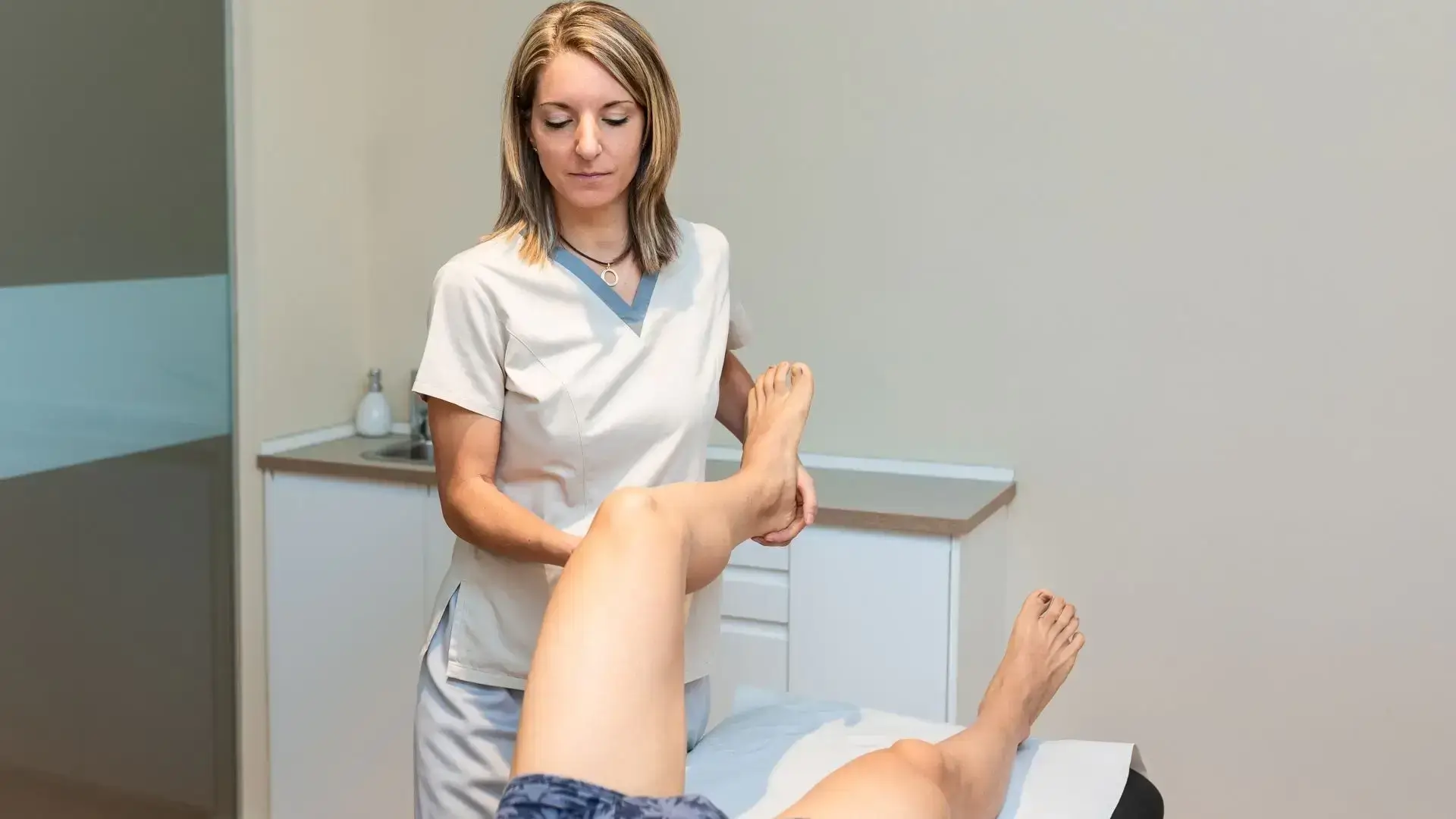
Manual Therapy Explained
As we explore the range of physiotherapy techniques, manual therapy stands out as a powerful, hands-on approach focused on restoring movement and relieving pain. This technique involves the skilled manipulation of muscles, joints, and soft tissues to target areas of tension, stiffness, and inflammation.
At our clinic, we use manual therapy to support a variety of conditions, from muscle atrophy to post-injury recovery. By applying precise pressure to trigger points and myofascial regions, we help release tightness, enhance joint function, and improve overall mobility. This can be especially beneficial for those dealing with chronic discomfort, limited range of motion, or post-operative stiffness.
What makes manual therapy so effective is its personalized nature. We assess each individual’s condition carefully and tailor the techniques to suit your specific needs, ensuring a safe and targeted care experience. Our goal is not only to relieve symptoms but also to restore strength, flexibility, and function.
By integrating manual therapy into your overall physiotherapy plan, we provide a comprehensive path to healing—one that supports your body’s natural recovery and empowers you to move more freely and confidently. Let’s work together to reduce pain, rebuild strength, and elevate your quality of life.
Role of Exercise in Care
Exercise is a cornerstone of physiotherapy, playing a critical role in rehabilitation by building strength, increasing flexibility, and supporting overall well-being. At our clinic, we view movement not just as a tool for healing, but as a pathway to helping patients reclaim their independence and enhance their quality of life.
By incorporating customized exercise programs into care plans, we address a wide range of conditions—from post-surgical recovery and injury rehabilitation to chronic pain management and mobility issues. One of the most common and effective components is range of motion (ROM) exercises, which improve joint flexibility, enhance balance, and stimulate circulation to promote faster healing. Targeted movements can also help reduce swelling and inflammation around affected areas, accelerating recovery.
Each exercise regimen is carefully designed by healthcare professionals to reflect the patient’s individual goals, limitations, and stage of healing. This personalized approach ensures patients receive the most effective care for their specific condition. As patients actively participate in their recovery, they often feel more empowered and in control of their progress.
Consistency is key. We encourage patients to stay committed to their exercises both during sessions and at home, as ongoing practice leads to long-term improvements in strength, function, and pain relief.
With the right guidance and support, physiotherapy through exercise becomes more than just care — it becomes a transformative journey toward lasting health and functionality. We’re here to walk that journey with you, every step of the way.
Importance of Patient Education
Empowering patients through knowledge is a cornerstone of effective physiotherapy. At the heart of every successful recovery journey is education—helping clients understand not just what physiotherapy involves, but how it can directly support their strength, mobility, and long-term health.
When patients are informed, they’re more engaged in their care. Whether someone is managing a chronic condition or recovering from a spinal cord injury, understanding the “why” behind their personalized plan makes the healing process more meaningful. We place strong emphasis on educating clients about their condition, the goals of care, and how to maintain progress beyond the clinic.
Patient education also promotes prevention. By learning proper body mechanics, self-management techniques, and the value of ongoing care, individuals can reduce their risk of re-injury and sustain their improvements. Even professional athletes benefit from this approach—when they fully grasp their care options, they’re better equipped to enhance performance while minimizing downtime.
Physiotherapy isn’t just about exercises; we integrate techniques such as manual therapy and massage, and we make sure patients understand how these methods contribute to their recovery.
Ultimately, we strive to create a collaborative and supportive environment where education drives motivation and commitment. By equipping clients with clear, relevant knowledge, we empower them to take control of their health—leading to stronger outcomes and a more confident, healthier future.
Assessment and Diagnosis Process
Building on the importance of patient education, assessment and diagnosis form the cornerstone of effective physiotherapy care. This initial phase is crucial, as it allows us to fully understand your condition and design a personalized care plan that targets the root of the issue—not just the symptoms.
We begin with a comprehensive consultation, discussing your health history, current symptoms, and any relevant musculoskeletal or neuromuscular concerns. This conversation helps us gain insights into how your condition affects your daily life, functionality, and overall well-being.
Following this, we conduct a detailed physical assessment. This may include evaluating your range of motion, strength, flexibility, posture, and checking for signs of inflammation, compression, or other impairments. Through hands-on techniques and clinical observations, we aim to identify underlying imbalances or dysfunctions that contribute to your discomfort.
With this information, we formulate a precise diagnosis. This becomes the foundation for your individualized care plan, ensuring that every technique and intervention is purposeful and aligned with your goals.
We believe that a clear understanding of your diagnosis not only informs better care but also empowers you to take an active role in your recovery. By prioritizing a thorough assessment and diagnosis, we set the stage for meaningful progress and long-term results—ensuring you receive the highest level of care at every step of your healing journey.

Customizing Care Plans
Personalized care planning is at the heart of effective physiotherapy and essential for achieving optimal recovery. No two clients are the same, which is why we place great emphasis on tailoring each plan to meet the unique needs, goals, and conditions of every individual we support.
By conducting a thorough assessment of your medical history, physical condition, and lifestyle, we’re able to develop a targeted physiotherapy regimen that addresses your specific challenges and supports your healing journey. Whether you’re recovering from a sports injury, surgery, or managing a chronic condition like multiple sclerosis, a customized approach ensures you receive the right interventions at the right time.
Our care plans are dynamic—they evolve as you do. We continuously monitor your progress and adjust exercises, techniques, and modalities as needed to ensure steady improvement. This might include integrating manual therapy, electrical stimulation, or other advanced techniques to enhance mobility, reduce pain, and accelerate recovery.
More than just care, we aim to foster a supportive and collaborative environment where you feel empowered, informed, and actively involved in your care. With personalized physiotherapy, we’re not just helping you heal—we’re helping you reclaim your strength, independence, and quality of life.
Benefits of Physiotherapy
Physiotherapy has emerged as a cornerstone of both rehabilitation and long-term wellness, offering invaluable support in recovery and prevention. Whether you’re healing from a ligament tear, brain injury, or another physical trauma, physiotherapy plays a crucial role in restoring function, mobility, and independence.
A key benefit of physiotherapy lies in its ability to stimulate blood flow to targeted areas. Enhanced circulation reduces inflammation, relieves muscle tightness, and accelerates the healing process. Advanced techniques like electrical stimulation and transcutaneous electrical nerve stimulation (TENS) are often used to manage pain and improve recovery outcomes—especially for those struggling with immobility-related discomfort.
But physiotherapy isn’t limited to post-injury care. It also serves a preventative role by identifying muscular imbalances, addressing biomechanical issues, and strengthening vulnerable areas. Personalized exercise programs are designed to align with each patient’s specific goals, helping to prevent future injuries and support overall physical resilience.
By combining rehabilitation with proactive care, physiotherapy provides a holistic path to health—empowering individuals not only to recover, but to thrive.
Physiotherapy for Chronic Pain
Chronic pain can significantly disrupt everyday life, often leading to frustration, fatigue, and a sense of helplessness. Conditions such as tendonitis, sprains, and muscle strains frequently contribute to joint inflammation and muscle atrophy, limiting mobility and affecting overall well-being. In these cases, physiotherapy stands out as a highly effective, non-invasive approach for long-term pain management and functional recovery.
Working with a physiotherapist means receiving a personalized care plan tailored to your unique condition and goals. These plans may include a variety of techniques—such as manual therapy, targeted stretches, and energy-based modalities—that promote tissue healing, reduce inflammation, and restore balance within the musculoskeletal system.
By addressing the fascia and surrounding soft tissues, physiotherapy can ease persistent discomfort and enhance mobility. Strengthening exercises are carefully prescribed to support weak areas and prevent future injury, while education and guided techniques empower patients to better manage their pain independently.
With consistent care and expert support, physiotherapy helps individuals take back control of their bodies—and their lives—by promoting healing, restoring movement, and improving quality of life.
Recovery Post-Surgery
Recovering from surgery can be a demanding journey, but with the right physiotherapy support, it becomes a structured and manageable process. Collaborating closely with a physiotherapist allows for the development of a personalized rehabilitation plan that addresses your unique needs and recovery goals.
In the initial stages, pain and swelling are common concerns. Targeted therapies—such as cryotherapy—can be highly effective in reducing inflammation and easing discomfort around the surgical site. As healing progresses, improving range of motion (ROM) becomes a key focus, especially for procedures involving joints, tendons, or areas like the temporomandibular joint.
For individuals with pre-existing conditions such as Parkinson’s disease, physiotherapy plans are carefully adapted to support both surgical recovery and the management of underlying challenges. This level of customization ensures that every aspect of your health is considered during care.
Equally important is understanding your insurance coverage. Verifying the benefits and requirements of your plan helps you make informed decisions and avoid unexpected costs—allowing you to fully focus on your recovery.
With expert guidance and a clear plan in place, you can move forward with confidence, knowing you’re supported every step of the way on your path to restored mobility and well-being.
Pediatric Physiotherapy
Pediatric physiotherapy is designed to meet the unique developmental and physical needs of children, focusing on enhancing mobility, strength, and overall functional abilities. We understand that every child is different, and our role as physiotherapists is to create personalized care plans that reflect each child’s specific goals, abilities, and challenges.
Using a combination of purposeful play and engaging therapeutic exercises, we help children recover from injuries, manage congenital or neurological conditions, and improve their physical function in a way that feels natural and fun. Our sessions are designed to keep young patients motivated and involved, making therapy an enjoyable part of their routine.
A key element of our pediatric care is vestibular therapy, which plays a vital role in developing balance, coordination, and spatial awareness. By integrating these techniques early on, we not only support immediate recovery but also help prevent long-term complications. In fact, early intervention can significantly reduce the risk of mobility-related challenges later in life, even in cases predisposed to conditions like Parkinson’s disease.
We believe that family involvement is essential. That’s why we maintain open communication with parents and caregivers, equipping them with the knowledge and tools to support their child’s progress at home. This collaborative approach fosters a nurturing environment where children can build confidence, resilience, and independence.
At the heart of pediatric physiotherapy is a commitment to empowering children—helping them thrive physically, emotionally, and socially, every step of the way.
Geriatric Physiotherapy Approaches
Navigating the aging process calls for empathy, expertise, and a deeply personalized approach—and that’s where geriatric physiotherapy plays a vital role. We understand that older adults face distinct challenges, including reduced mobility, chronic pain, and a heightened risk of falls. Our mission is to improve their quality of life by addressing these concerns through thoughtful, individualized care.
Our approach is holistic, taking into account not only physical limitations but also the emotional and psychological impacts of aging. We begin with a comprehensive assessment of each individual’s functional abilities, lifestyle, and health history. Based on these insights, we design customized care plans that may incorporate strength-building exercises, balance training, and flexibility routines—all aimed at maintaining independence and preventing further decline.
Education is a cornerstone of our care. We work collaboratively with patients and their families to ensure they understand the aging process and are equipped with practical strategies for managing age-related conditions. This partnership fosters empowerment, enabling older adults to take an active role in their rehabilitation and daily well-being.
Our ultimate goal is to restore confidence and independence, helping seniors continue to live vibrant, engaged lives. With the right guidance and support, we believe aging can be approached not with fear, but with strength, dignity, and resilience.
Preventative Strategies in Physiotherapy
Understanding the unique challenges faced by older adults is the foundation of effective geriatric physiotherapy—and preventative strategies play a vital role in supporting their long-term health and independence. Maintaining mobility and autonomy is essential to aging well, and our goal is to reduce the risk of injury while promoting overall wellness.
A cornerstone of prevention is regular physical activity tailored to each individual’s abilities. We encourage engaging in simple yet effective exercises that build strength, improve flexibility, and enhance balance. These movements not only support functional independence but also significantly lower the risk of falls—a major concern among older adults.
Education is equally important. Teaching proper body mechanics, posture, and safe movement techniques empowers seniors to navigate daily activities with greater confidence and control. Informed decisions lead to better self-care and reduced injury risk.
Additionally, advocating for small but impactful environmental adjustments—such as removing tripping hazards, improving lighting, or installing grab bars—can dramatically improve safety at home.
By combining personalized movement plans, education, and safe living environments, we help older adults maintain their independence and quality of life with dignity and confidence.
Contact us:
We are committed to delivering personalized physiotherapy care tailored to your unique health needs. Our skilled team understands that no two individuals are the same, which is why we take the time to thoroughly assess your condition and create a customized care plan designed specifically for you.
Our approach blends evidence-based physiotherapy techniques with a holistic philosophy, ensuring that we not only address your symptoms but also support your overall well-being. Whether you’re recovering from surgery, dealing with chronic pain, or looking to enhance your physical function, we’re here to guide and support you every step of the way.
Our modern clinic provides a warm, welcoming environment where your comfort is a top priority. Each session is designed to help you feel at ease while making meaningful progress toward your recovery goals.
If you’re ready to take the next step toward improved health and mobility, we encourage you to get in touch with us. Our friendly staff will gladly answer your questions, walk you through the process, and help schedule your first appointment at a convenient time. Let’s begin your journey to better health—together.

Frequently Asked Questions
How Long Does a Typical Physiotherapy Session Last?
Physiotherapy sessions typically range from 30 to 60 minutes, allowing ample time for thorough assessment, hands-on care, and personalized exercises. This duration ensures we can fully focus on your needs and apply the most effective techniques. However, we understand that each individual’s condition is unique—some sessions may be shorter or longer depending on your specific goals and progress. Our priority is to provide the care and attention you deserve, tailoring each session to support your optimal recovery.
Will My Insurance Cover Physiotherapy Care?
We understand that navigating insurance coverage can be overwhelming. Whether physiotherapy is included in your benefits depends on the specifics of your individual plan. It’s important to review your policy documents or speak directly with your insurance provider to clarify details such as coverage limits, copayments, and referral requirements. Having a clear understanding of your benefits empowers you to make informed decisions about your care. If you need assistance, we’re here to guide you through the process and help ensure you receive the care you need without added stress.
Can I Continue Physiotherapy While Pregnant?
Yes, physiotherapy can absolutely continue during pregnancy—but it’s important to first consult with your healthcare provider. They’ll evaluate your unique needs and assess any potential risks to ensure it’s safe for you and your baby. Open communication is key—be sure to share any discomfort or concerns during your sessions. Working closely with your physiotherapist, exercises and techniques can be carefully adapted to support a healthy, safe experience throughout your pregnancy. Ultimately, prioritizing your well-being during this important time lays the foundation for a healthier journey ahead.
What Should I Wear to My Physiotherapy Appointment?
When preparing for a physiotherapy appointment, choosing the right attire can make a big difference. Comfort and functionality are key—opt for loose-fitting, breathable clothing like athletic wear or stretchy pants that allow for unrestricted movement. Supportive footwear is also important, particularly if your session includes mobility or gait assessments. Dressing in layers is a smart choice, letting you adjust to the clinic’s temperature for added comfort. Ultimately, the goal is to feel relaxed, confident, and ready to move with ease.
How Can I Prepare for My First Physiotherapy Visit?
Preparing for your first physiotherapy visit can feel a little overwhelming, but approaching it with a positive and proactive mindset can make all the difference. Start by gathering any relevant medical records and making a list of your symptoms, concerns, and questions—this helps ensure nothing important is overlooked. Wear comfortable, flexible clothing to allow for movement during your assessment. Arriving a bit early gives you time to complete any necessary paperwork and get comfortable in the clinic environment. Remember, this first session is all about understanding your needs and setting the foundation for your path to better health and recovery.
If you liked this content and found it to be informative